Images and text by: Paul Illsley


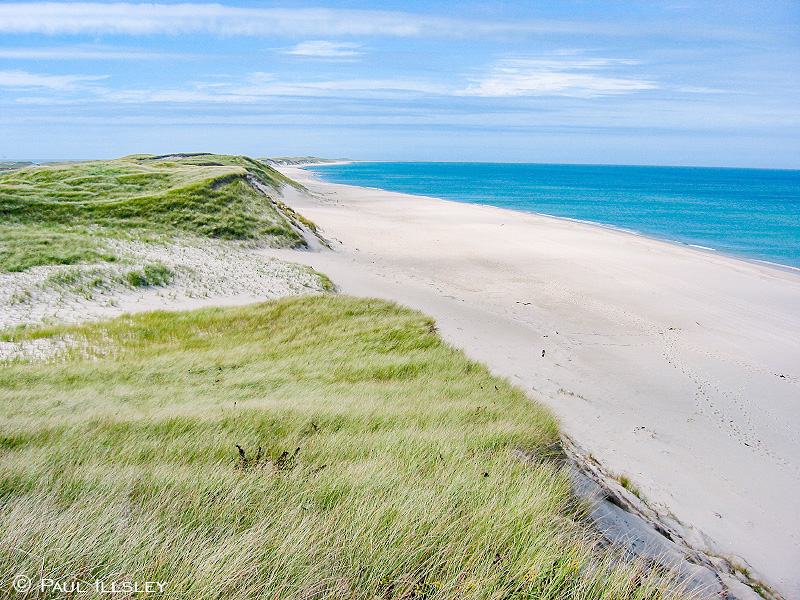
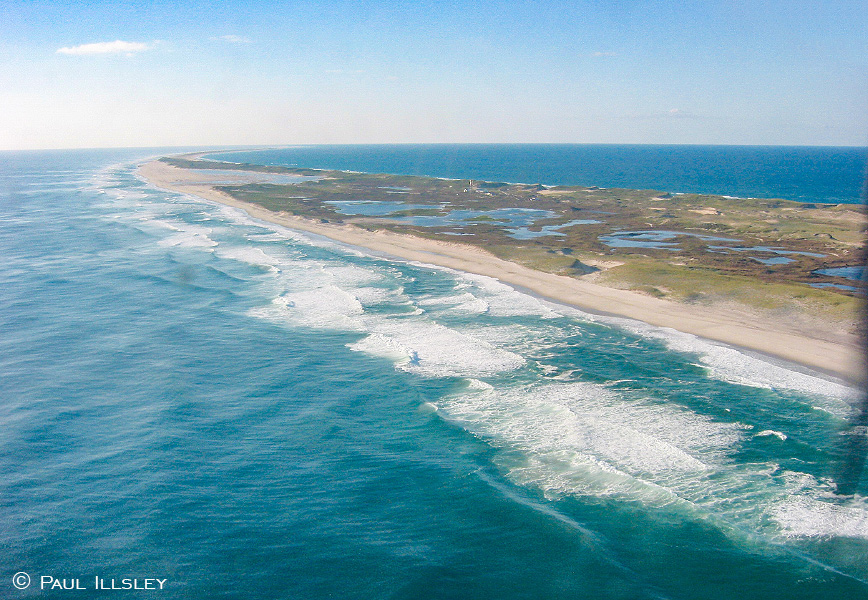
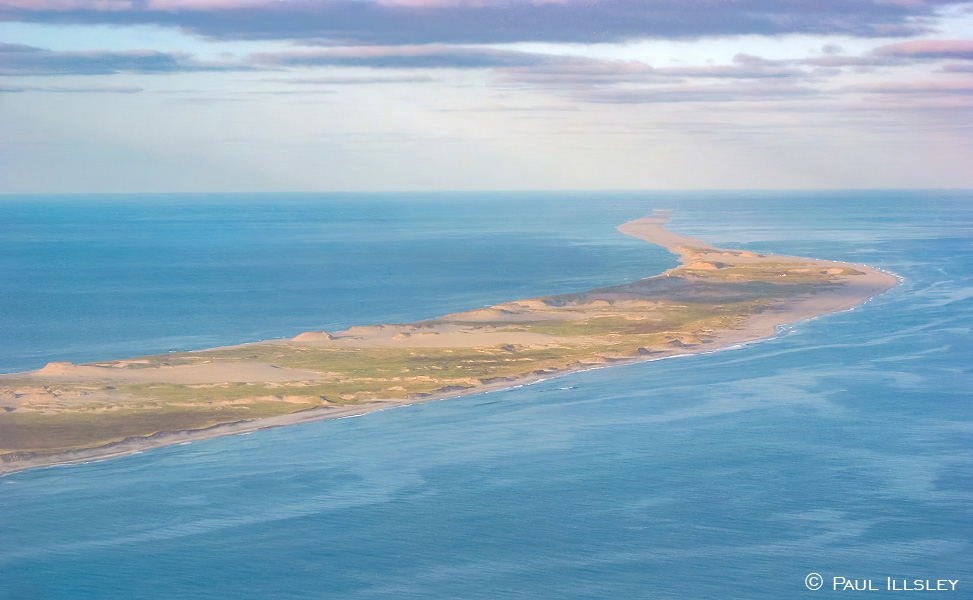
    Sable Island is one of those legendary places where few people ever have the privilege of visiting. Those who are fortunate enough to spend time on this 40 kilometre stretch of shifting sand and grass rarely return unaffected. It's sweeping landscape, remote windswept dunes and legendary nomadic horses strike a cord in all who visit.
    These images were recorded by Paul Illsley during a mapping project conducted on Sable Island by the Applied Geomatics Research Group (AGRG) from the Centre of Geographic Sciences (COGS). Paul was part of a four member mapping team who spent two weeks on the island collecting high precision GPS data and high resolution digital airborne imagery for the purpose of creating a high quality Geographic Information System (GIS) of the island to be used as a base map for research being conducted on the island.

    Sable Island is a protected area and is currently being managed by the Sable Island Preservation Trust.


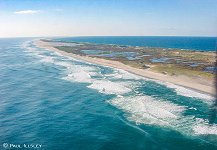
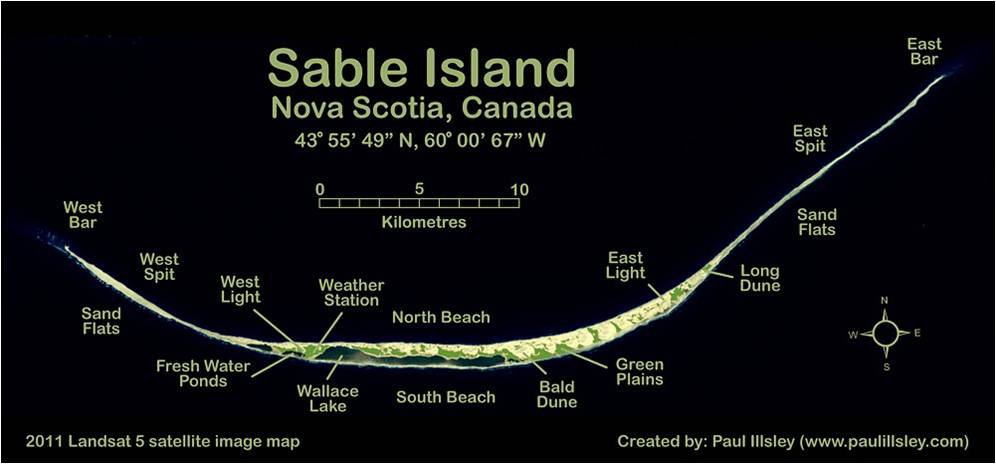
NASA Satellite Image of Sable Island        Locator Map for Sable Island        Sable Island Computer Wallpaper Image


Please click on any of these index images to reveal a larger full size image.


         Sable Island (looking east): The Land of Legend and Mystery.

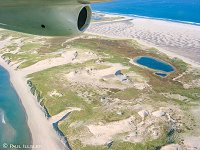
         View of the Base Station area with Wallace Lake in the background.

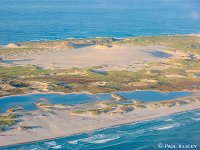
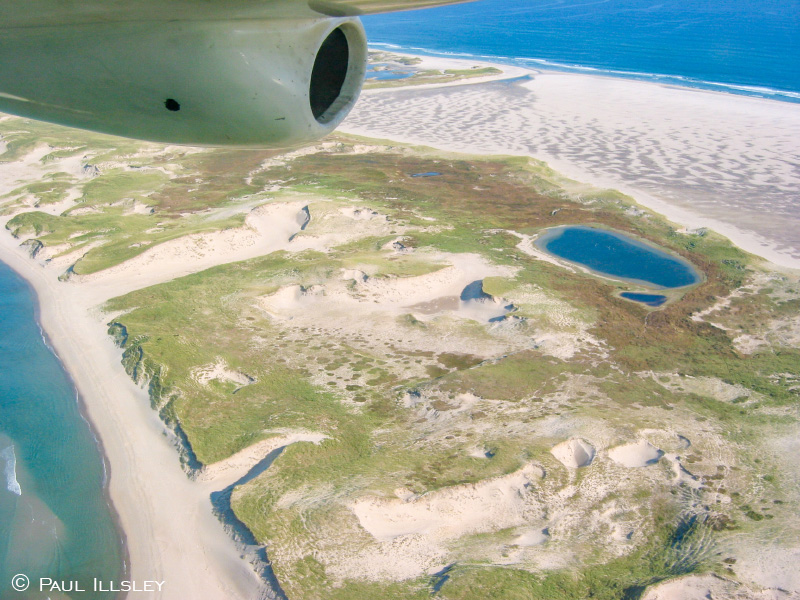
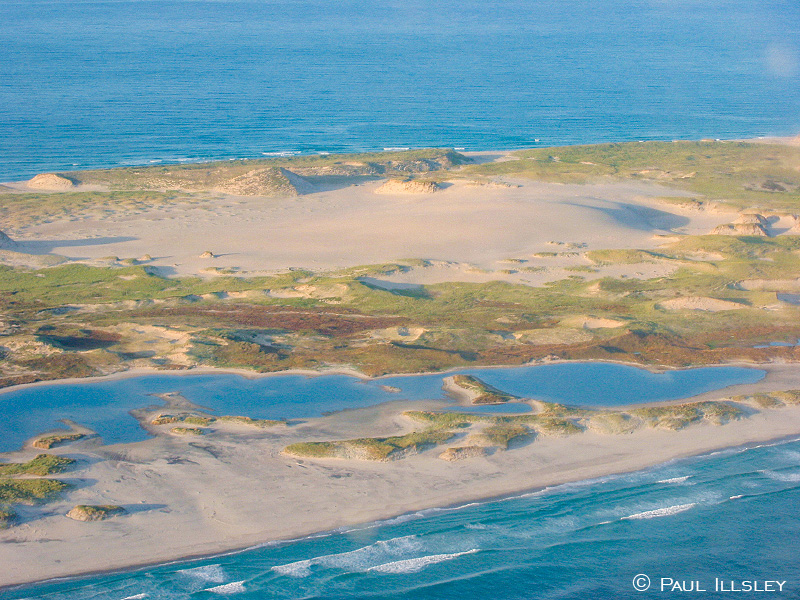
         Just prior to landing, dunes and fresh water ponds are clearly visible.

         The closer we get, we start to see the legendary Sable Island horses congregating in the leeward side of a large dune (upper left of the image).
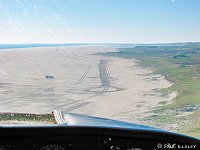
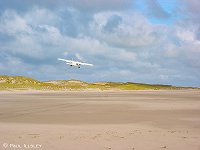
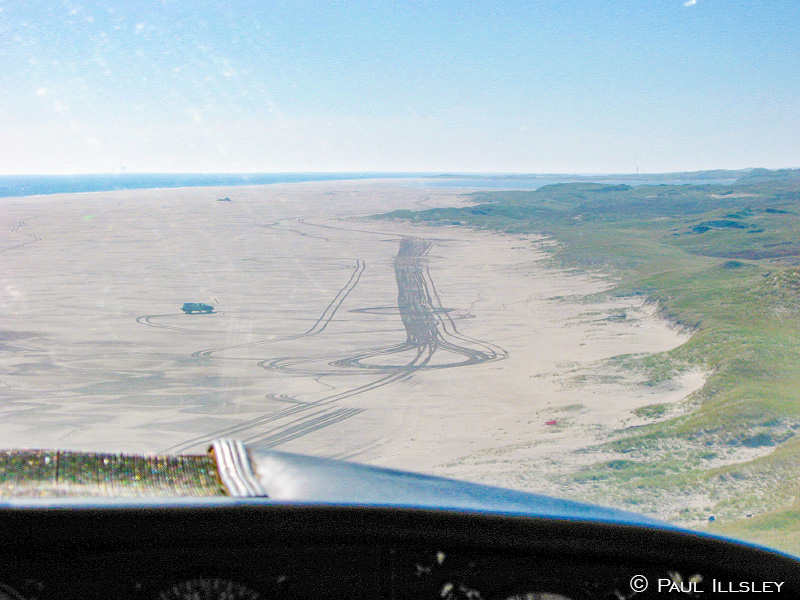
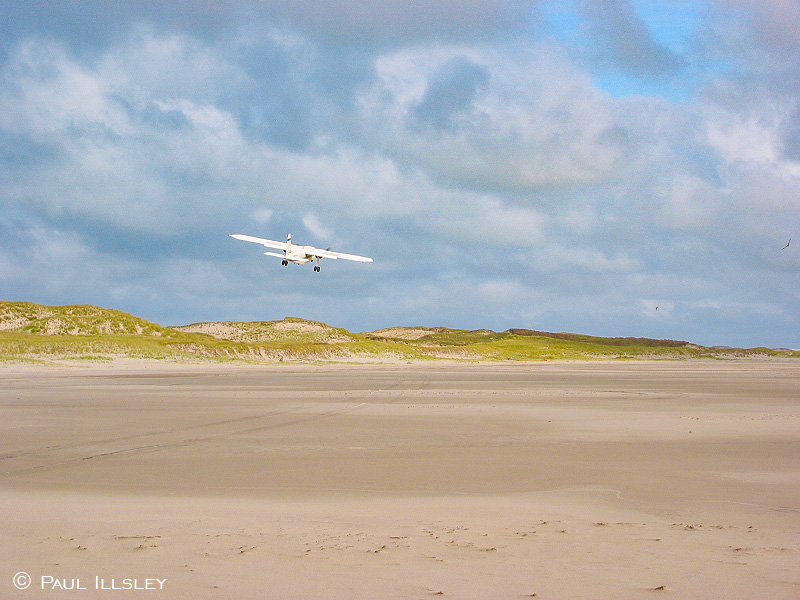
         The location of a landing strip on Sable Island changes from day to day. It is not uncommon to have flights canceled for weeks due to bad weather or the lack of a solid landing strip.
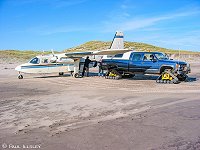
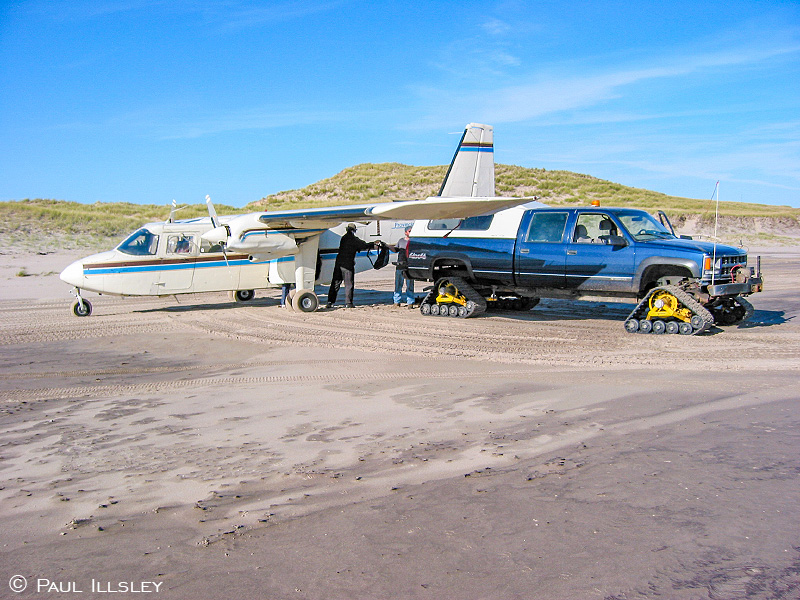
         No flight is wasted. Because of the high cost and unpredictable schedule of each flight, provisions are eagerly unloaded into an awaiting vehicle which has been modified to handle the sandy conditions of the island.

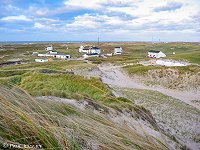
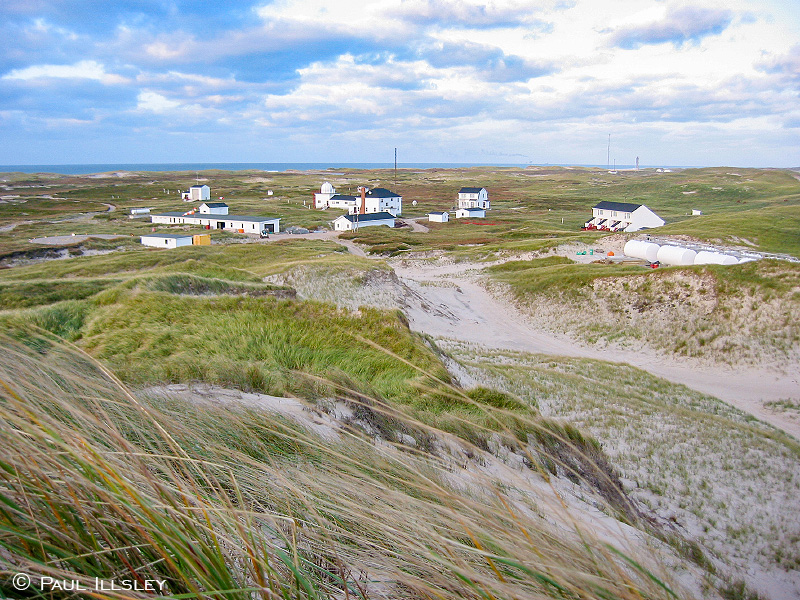
         The base camp is home for most of the people who visit Sable Island. It houses a meteorological station, residences, storage sheds, helipad, maintenance garage and a fuel storage facility. The West Light can be seen in the distance (top right of the image).

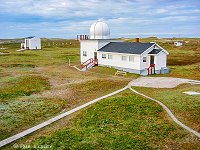
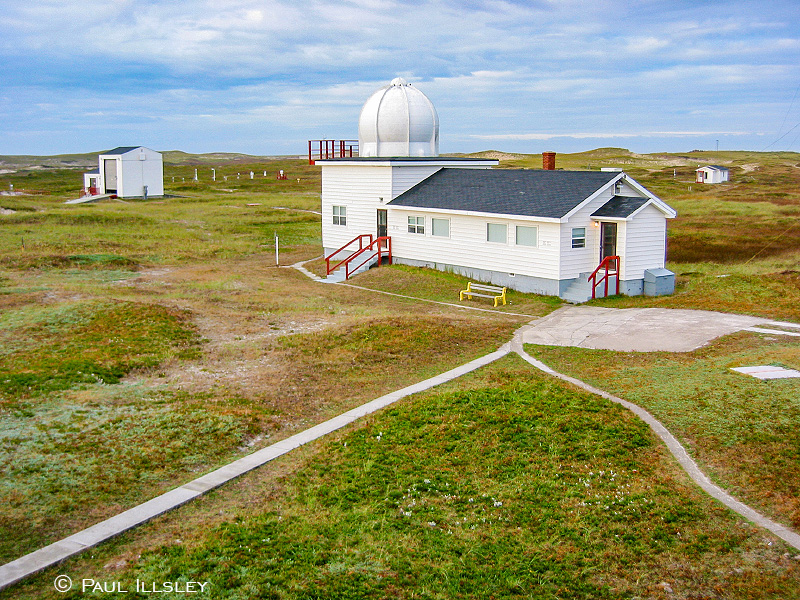
         The meteorological station is the hub of the base camp compound. Every morning, residents of the island congregate in this station to plan out their day’s tasks and schedule.

         Long term residents on the island stay in comfortable accommodations. In spite of the remote nature of this site, all the modern conveniences of home are supplied (including internet access and satellite TV).

         Getting around the island is no easy task. Besides the punishing windblown sand and saltwater corrosion, you need to constantly watch out for obstacles and quicksand. These “Gators” are just the right vehicle for the job. (Photo by: Melanie Desjardins)

         On a clear warm day, the normally sheltered north beach is a wonderful place to enjoy the tranquil beauty of this remote stretch of sand.

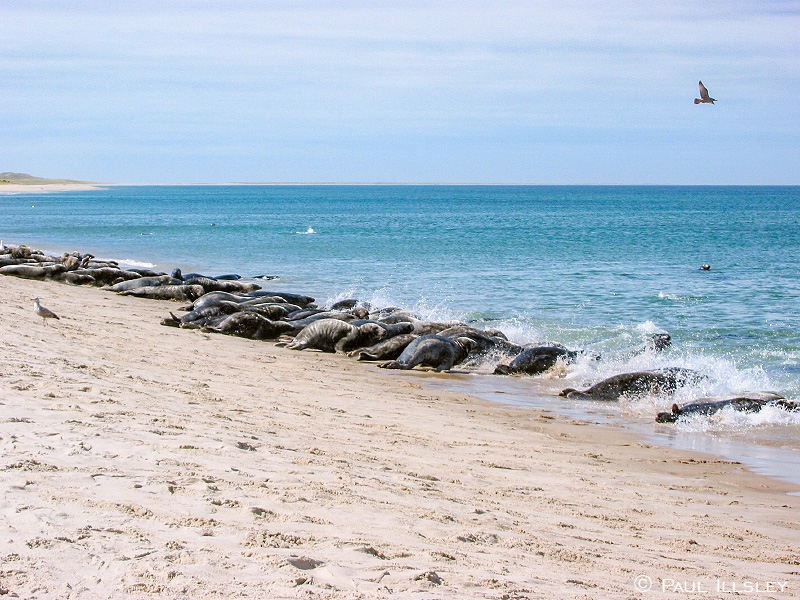
         Seals are abundant on Sable Island. They are unpredictable and nervous. They also serve as welcome food for the large shark population who are attracted to the island.

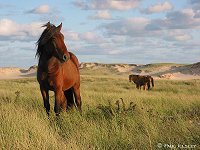
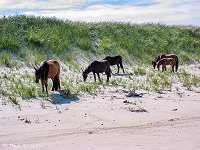
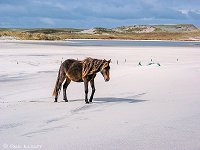
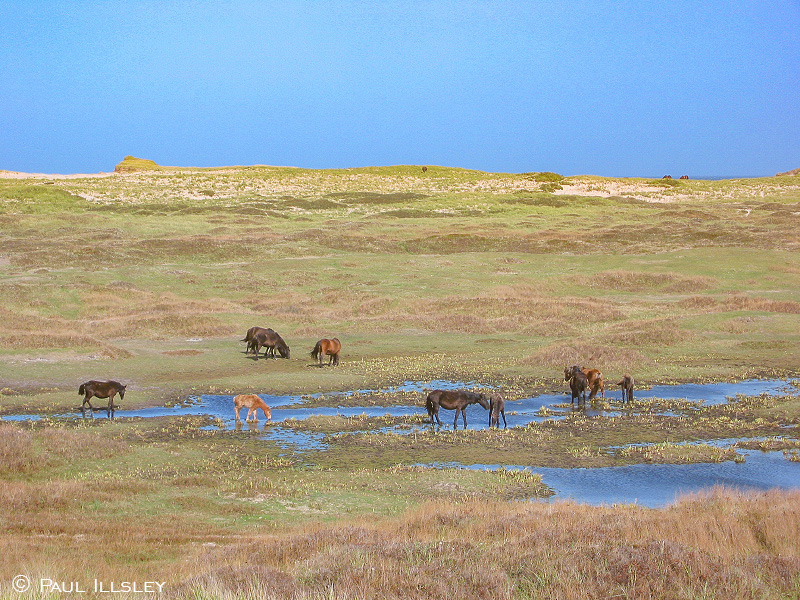
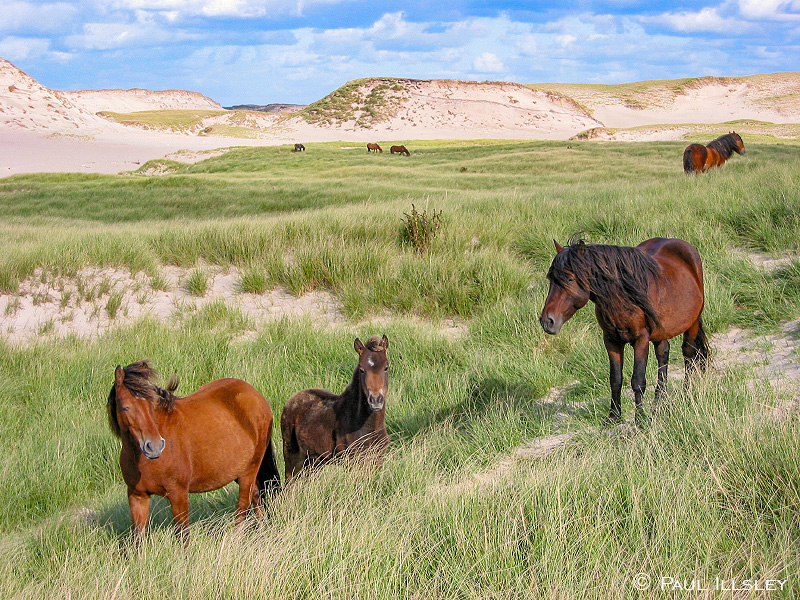
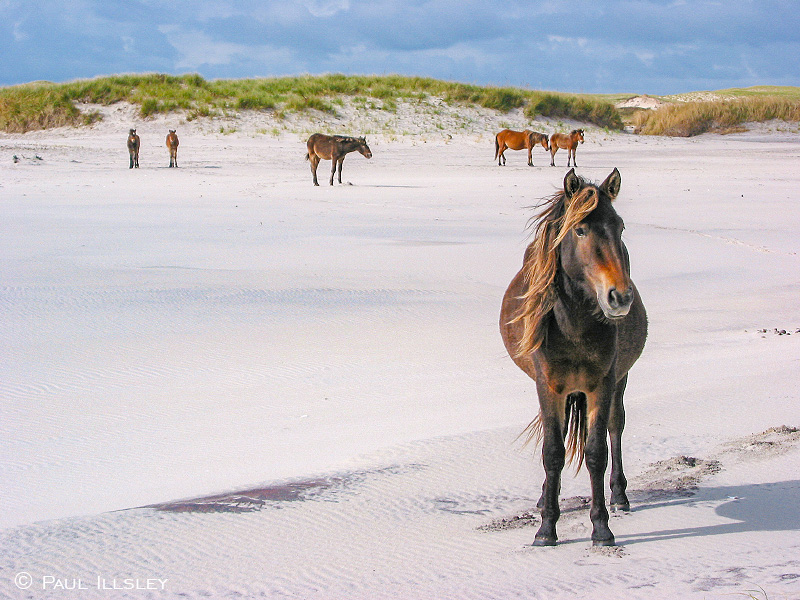
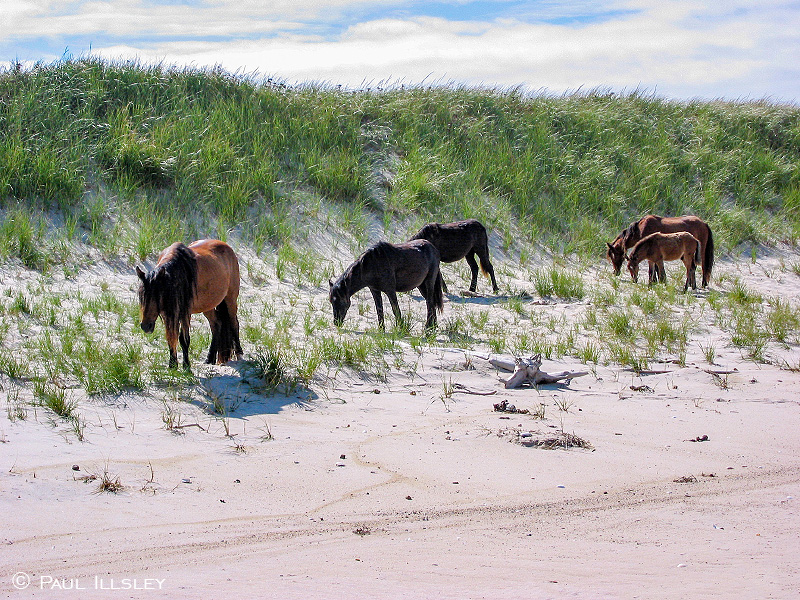
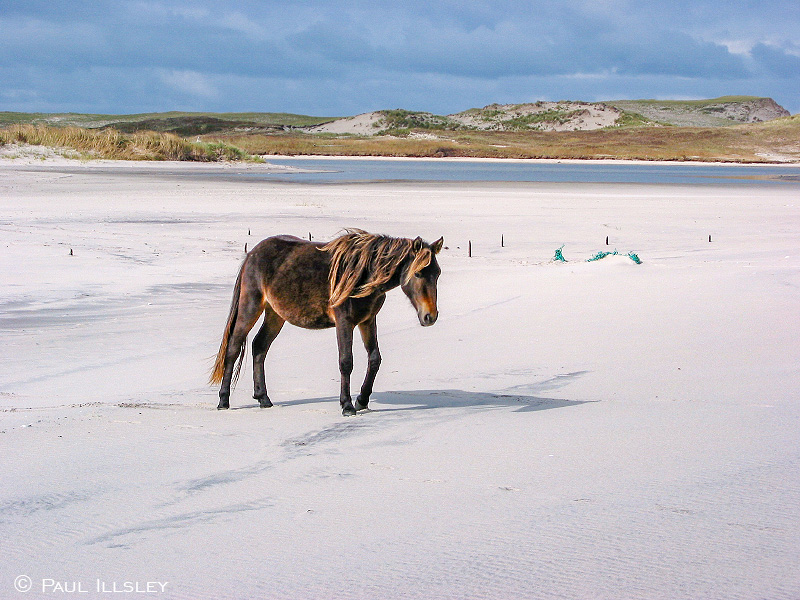
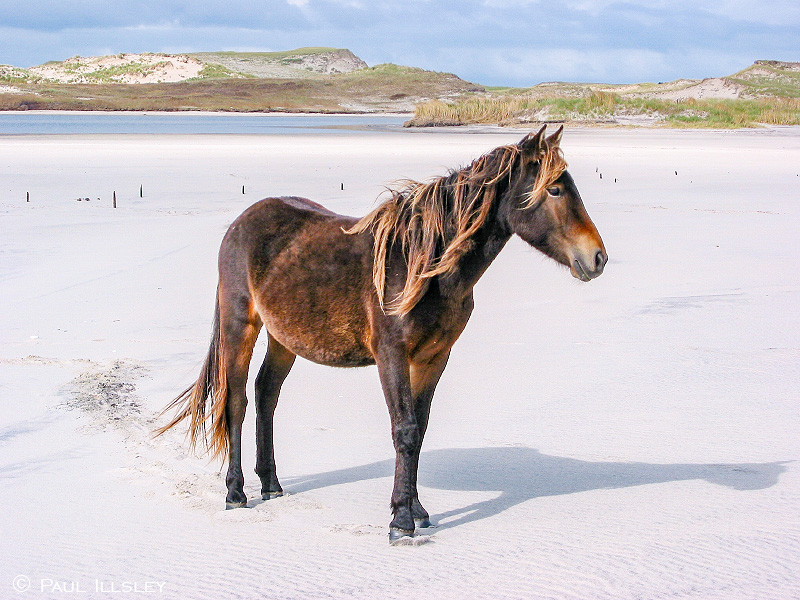
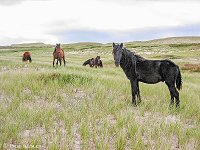
         The horses have free run of the beaches and dunes on the island (except for the compound area which has been fenced off for the horses protection).

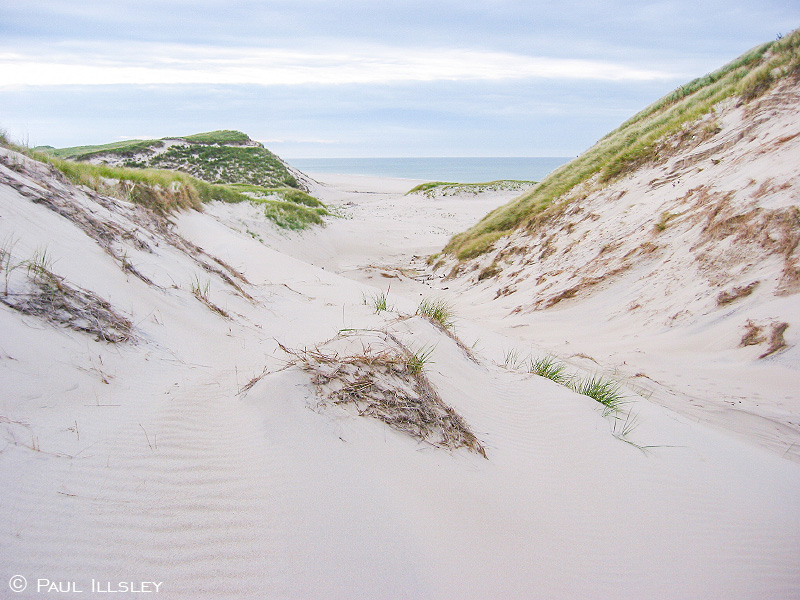
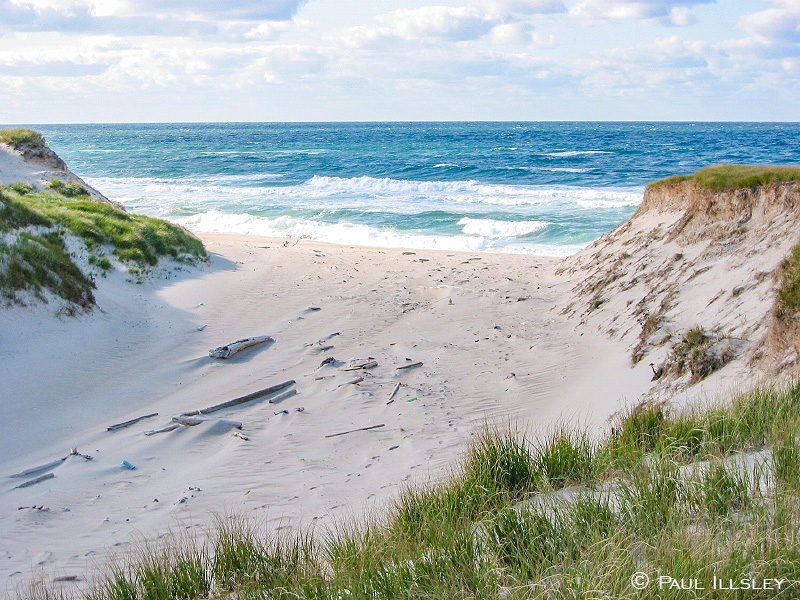
         The continuous wind on the island helps to create large and extensive dune systems. These natural pockets serve as welcome shelter when the weather turns wild (which it often does).

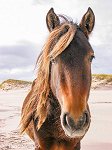
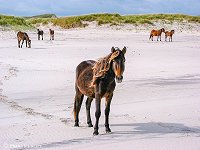
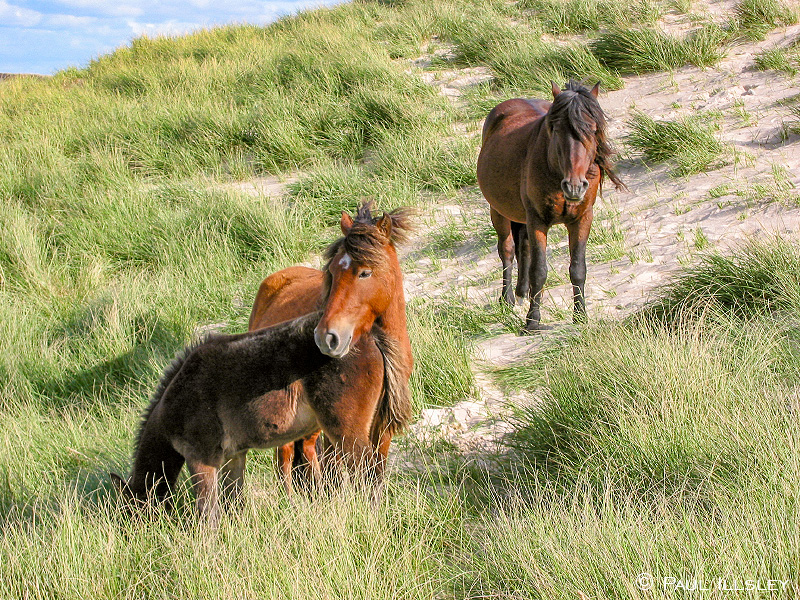
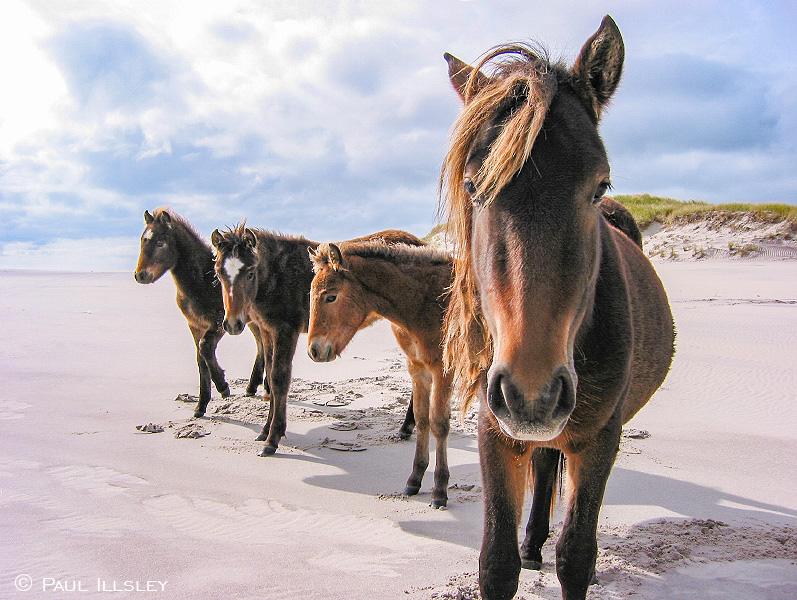
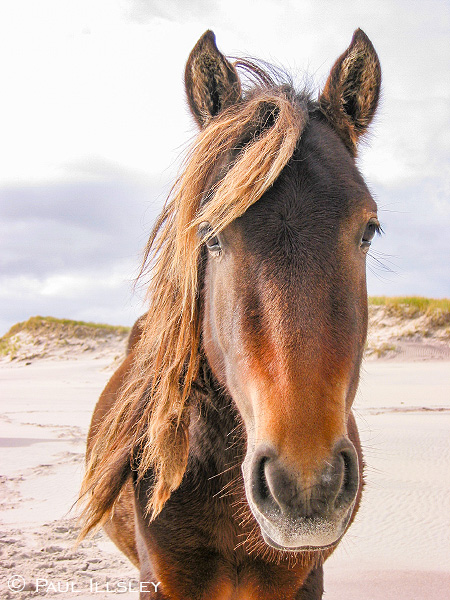
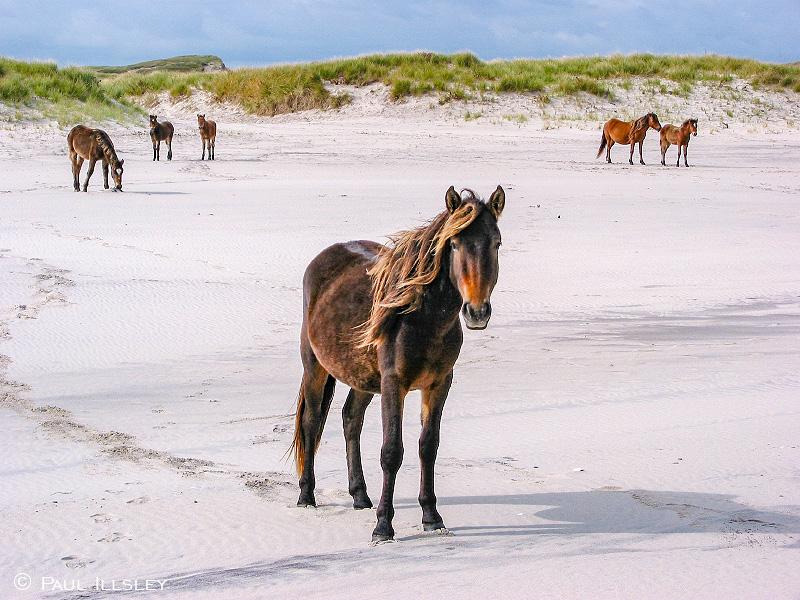
         The horses are inquisitive creatures and will often stroll over to see what you are doing.

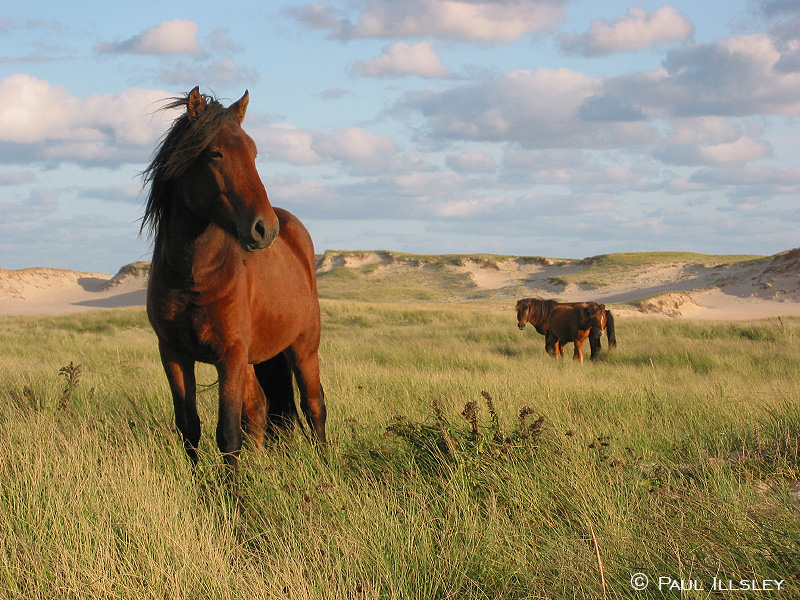
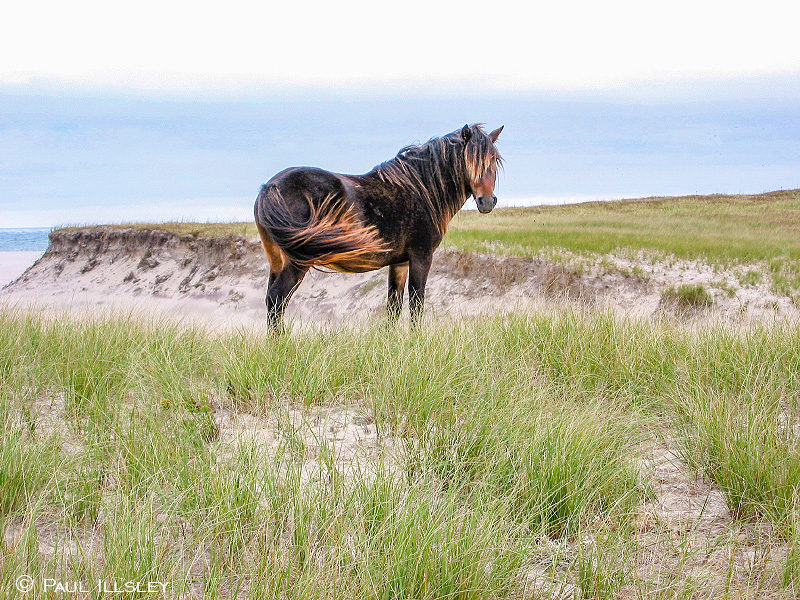
         One horse takes shelter from the blowing wind in the leeward side of a dune. The Sable Island horses are well adapted to the wild and windy conditions experienced on the island.
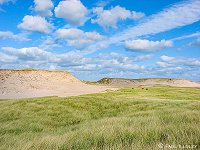
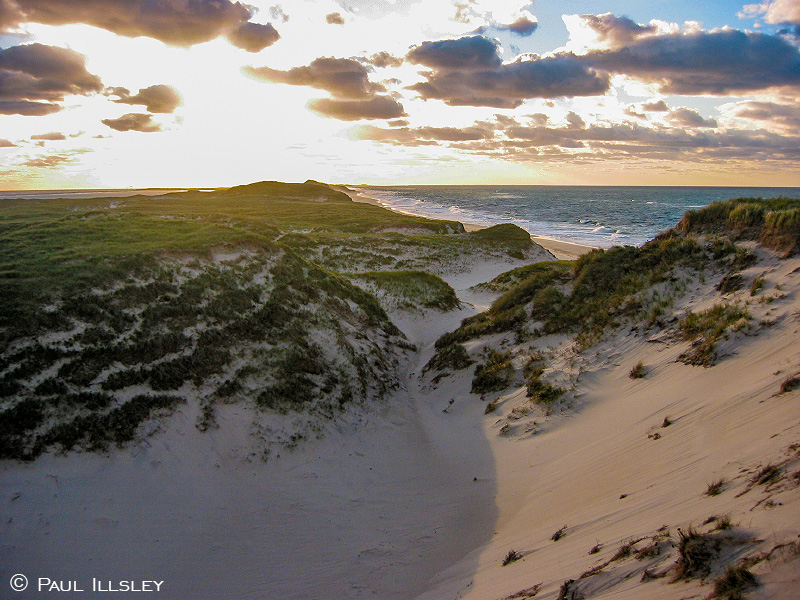
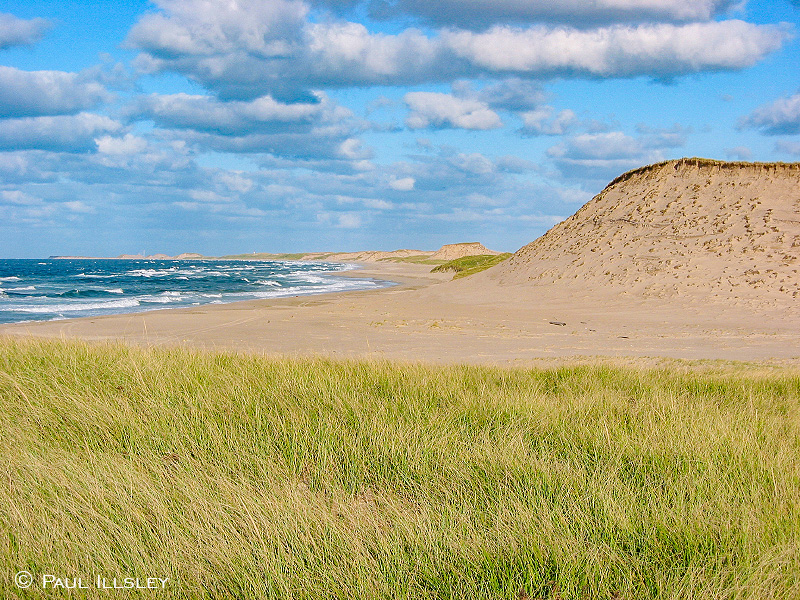
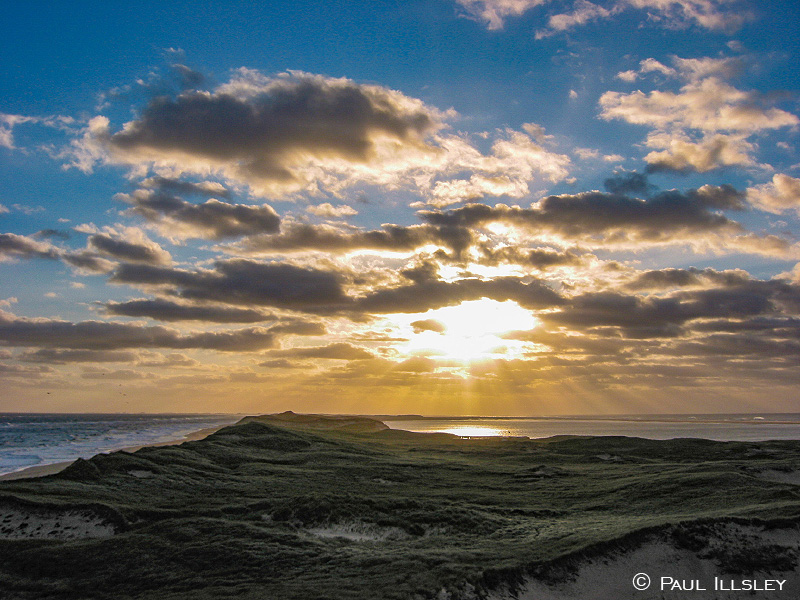
         The north beach is home to some of the largest dunes on the island. In the early evening light, the island takes on an almost mystical and tranquil feel.

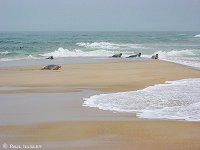
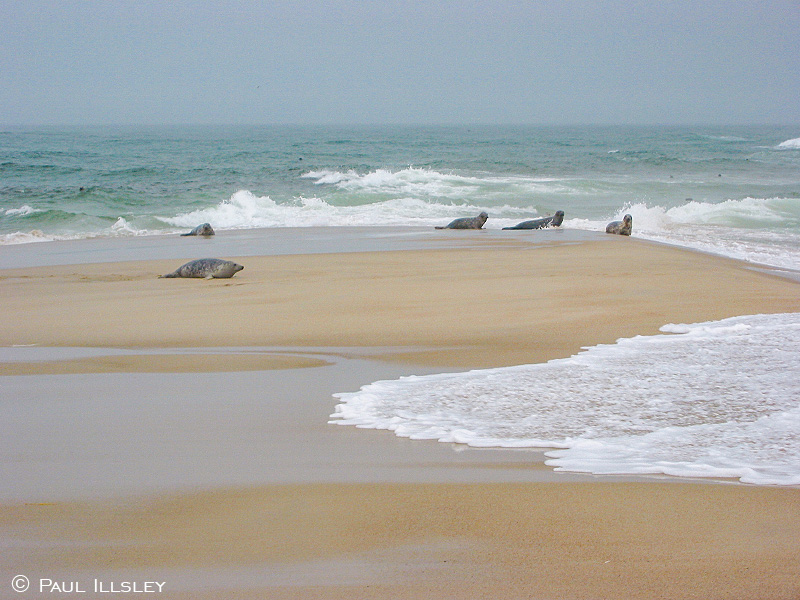
         The area off the east tip of the island is constantly in motion. The seals seem to enjoy these turbulent waters.

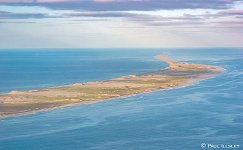
         Research is being done to track the changes in the island’s shoreline. It appears that most of the change is taking place on the east tip of the island, which appears to be growing longer each year.

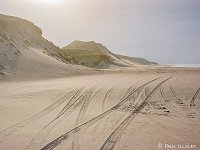
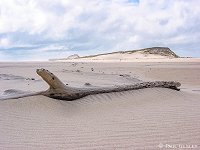
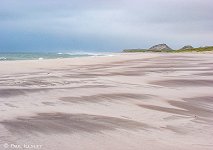
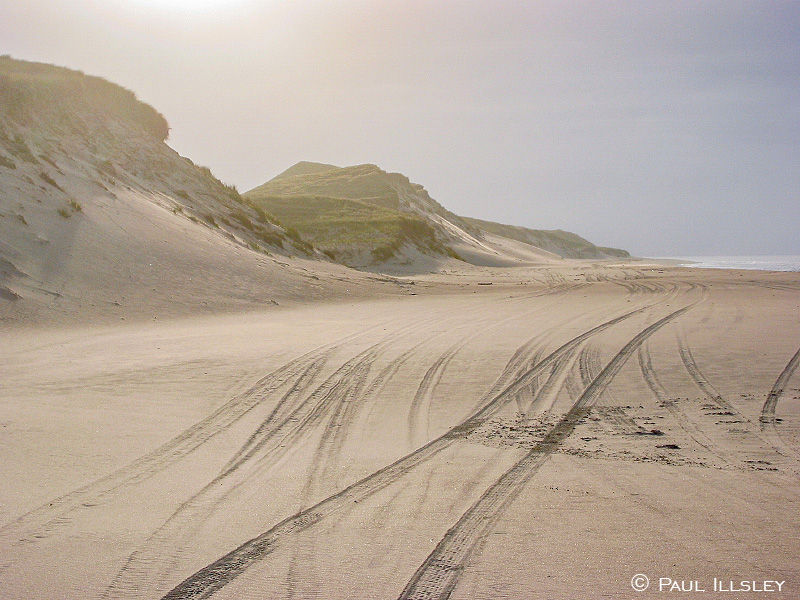
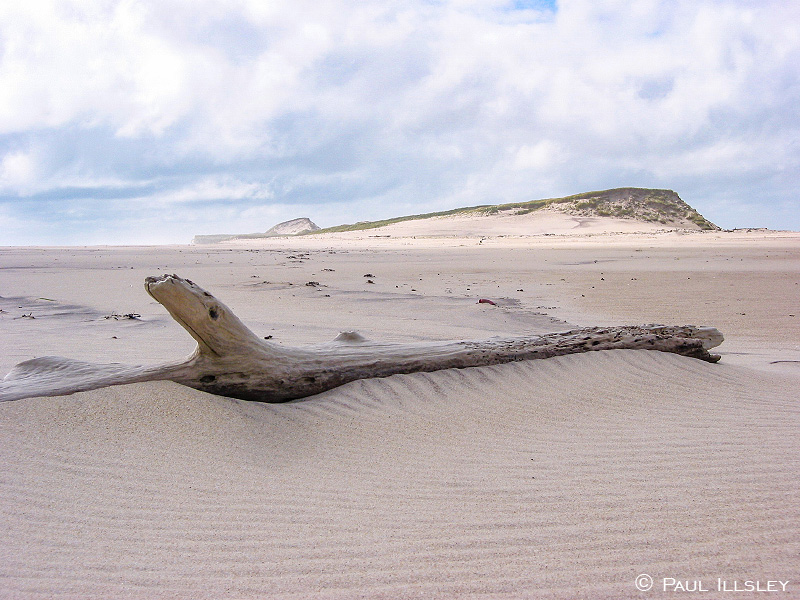
         The long east "sand flat" is uniform, flat and almost featureless. When the fog rolls in you can easily become disoriented.

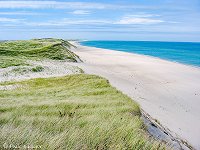
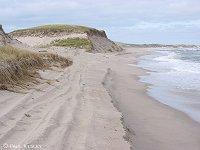
         Looking westward toward the south beach, the high dunes are a welcome site after miles of flat sand on the east spit.

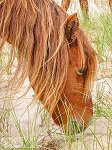
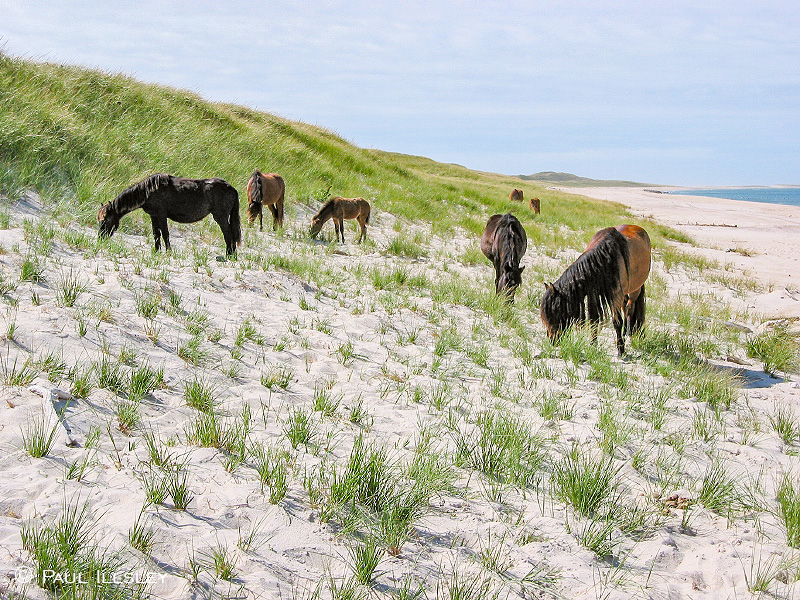
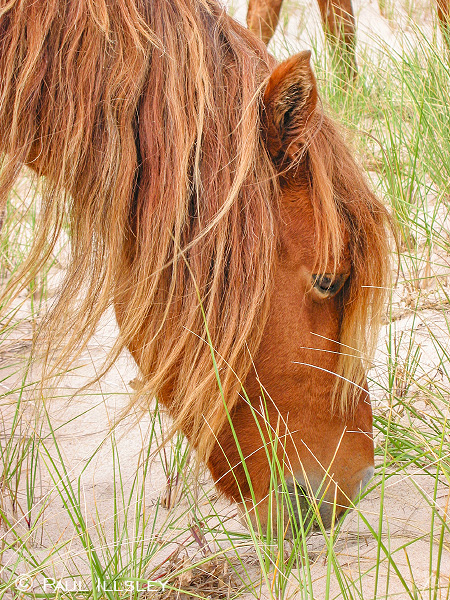
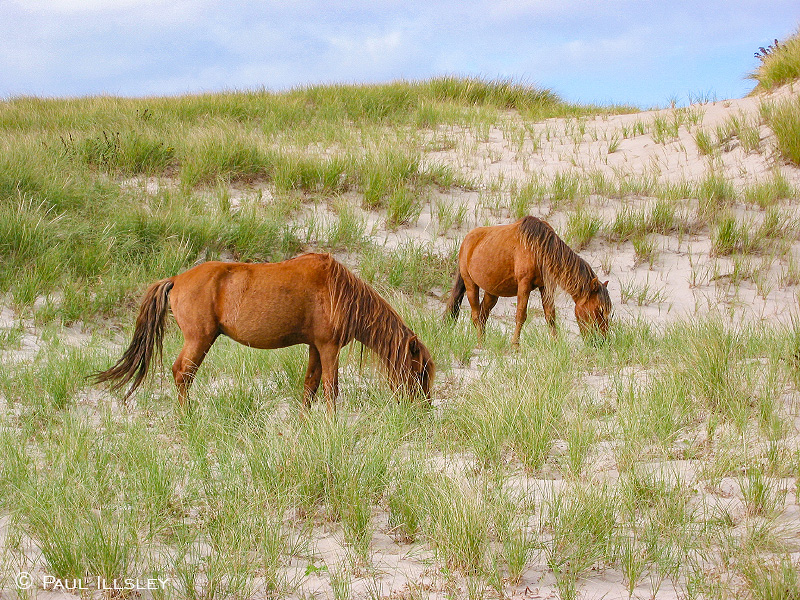
         The horses are constantly grazing. They seem to have their heads in the grass most of the time. Attempts have been made in the past to feed them during harsh seasons (a practice which has been discontinued), but they preferred to graze on the local vegetation.

         The horses are sure footed and can find their way up and around any dune. However, visitors and staff on the island are required to stay off any steep dune slopes in an attempt to help protect the island’s sensitive ecosystem.

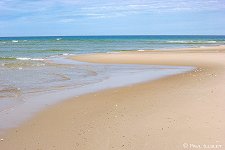
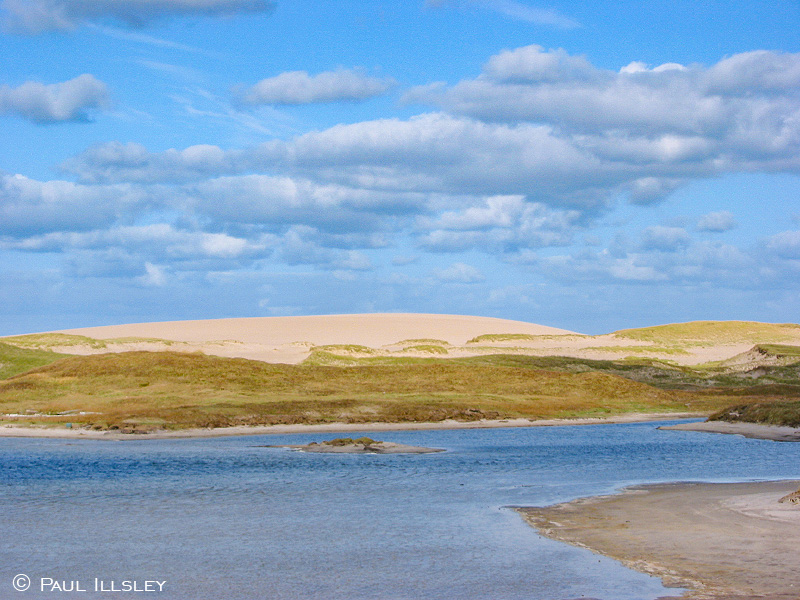
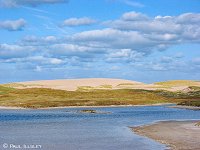
         The outline of Wallace Lake changes continuously. This salt water lake is formed when the Atlantic ocean floods the flat expansive south beach area and then recedes leaving an ever changing shallow lake.

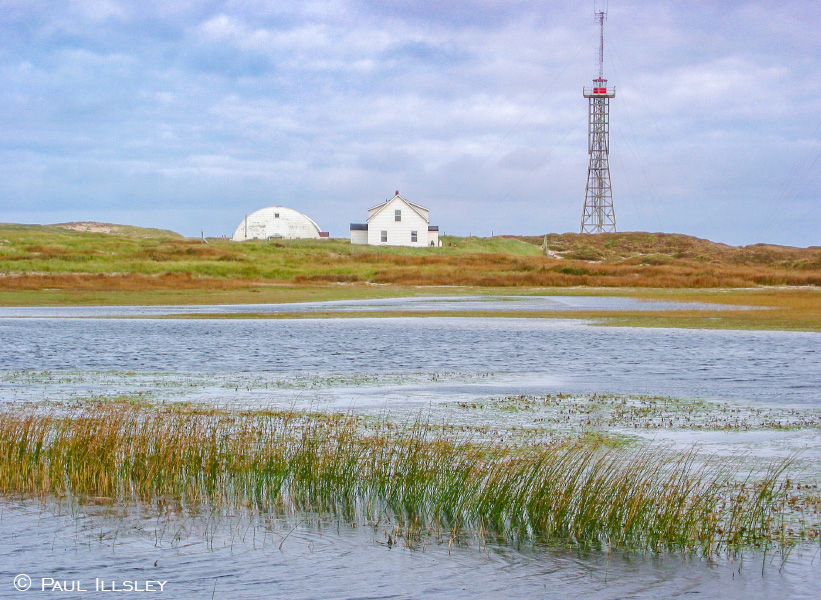
         The West Light (one of two remaining light houses on the Sable Island) is located just to the west of base camp. It serves as a welcome beacon for those long treks home at night after a long day’s work down the island.

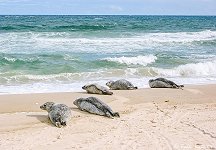
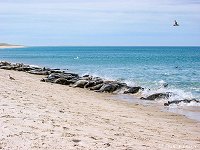
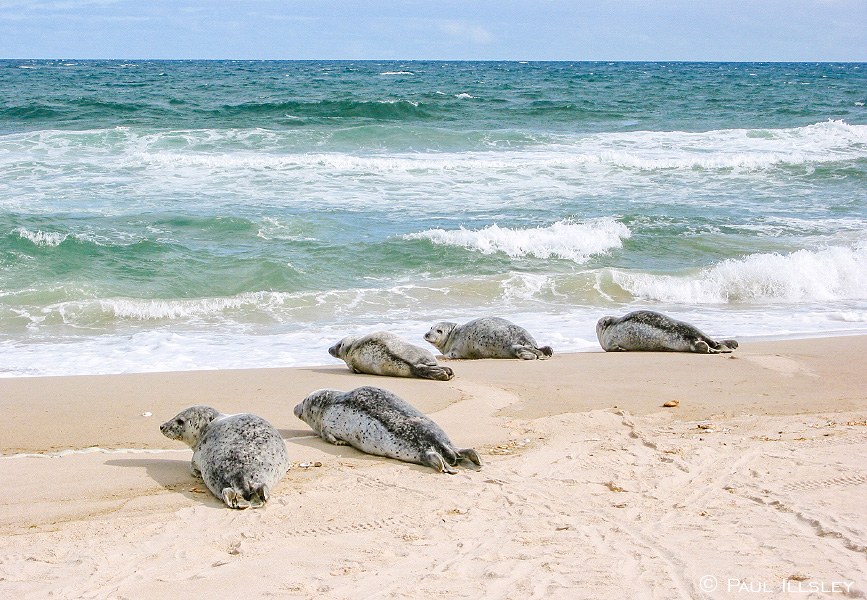
         More seals. Normally they just lay around on the beach and enjoy the sun.

         Some sections of the north beach are impassible during high tide. If you don’t plan you day correctly you will be marooned until the tide recedes low enough to grant you passage. There are very few places to cross over the island, so this restriction plays a large part in planning your work schedule.

         The Horses have the right of way on the island. No one is allowed to restrict the movements or harass the horses in any way. If they are in your way, you just sit and wait until they move on their own accord.

         There are two active oil rigs off the coast south of Sable Island. This one, on the east end, is accompanied by a service / rescue vessel which is required to be available at all times in case of an emergency. Sable Island is an emergency evacuation site for the rig workers in the case of an emergency.
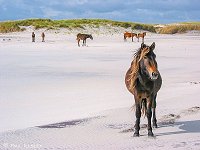
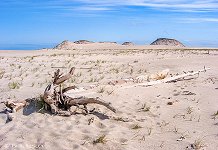
         The last high dune on the east end of the island stands as a sentinel over the long finger of sand which makes up the sand flats and east spit.

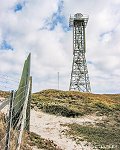
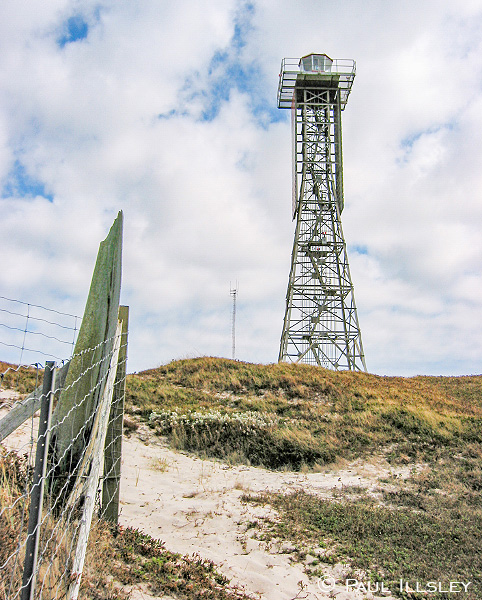
         The East Light is the second of the two light houses on Sable Island. It is powered by solar panels and sits high atop a solitary dune for all to see.

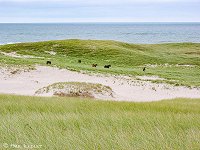
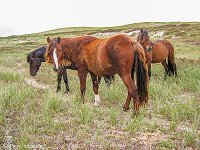
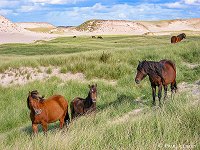
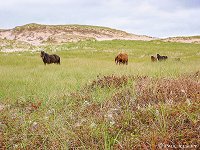
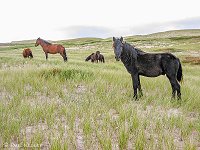
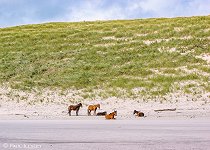
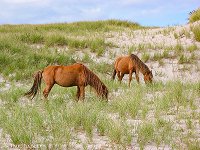
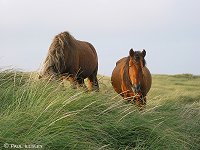
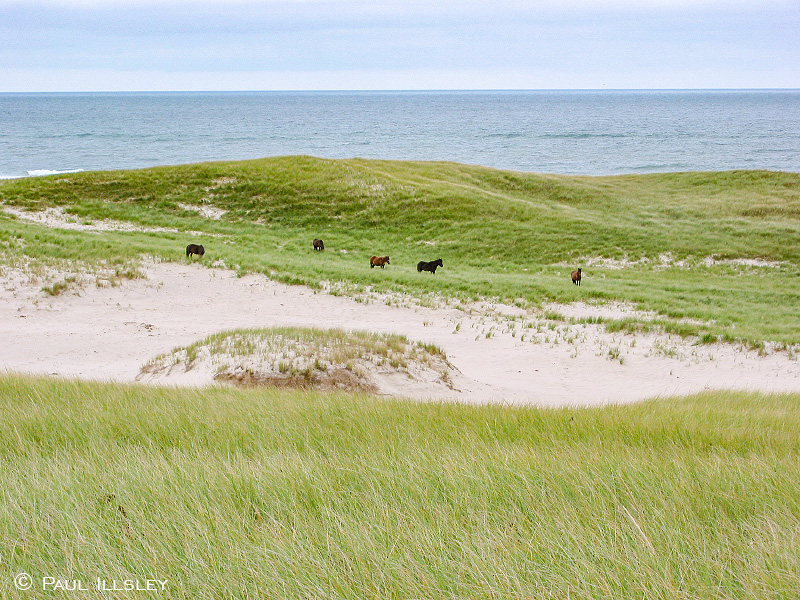
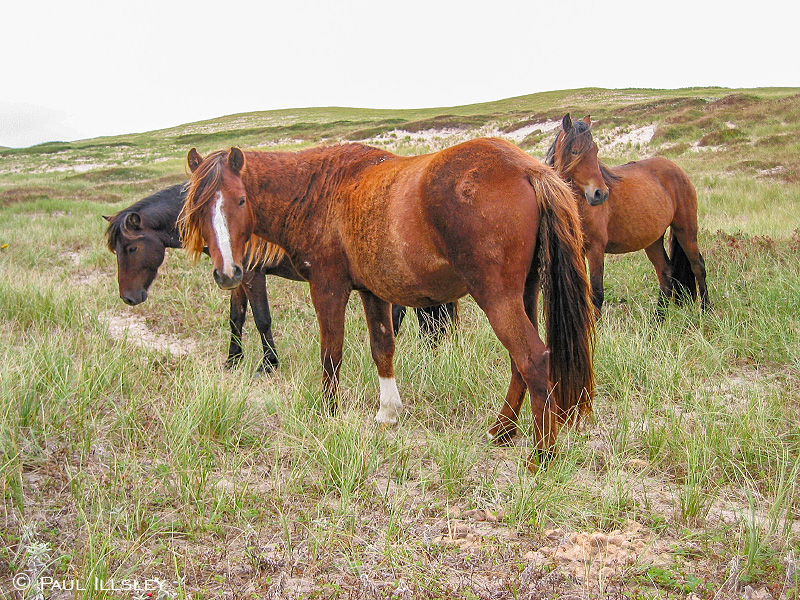
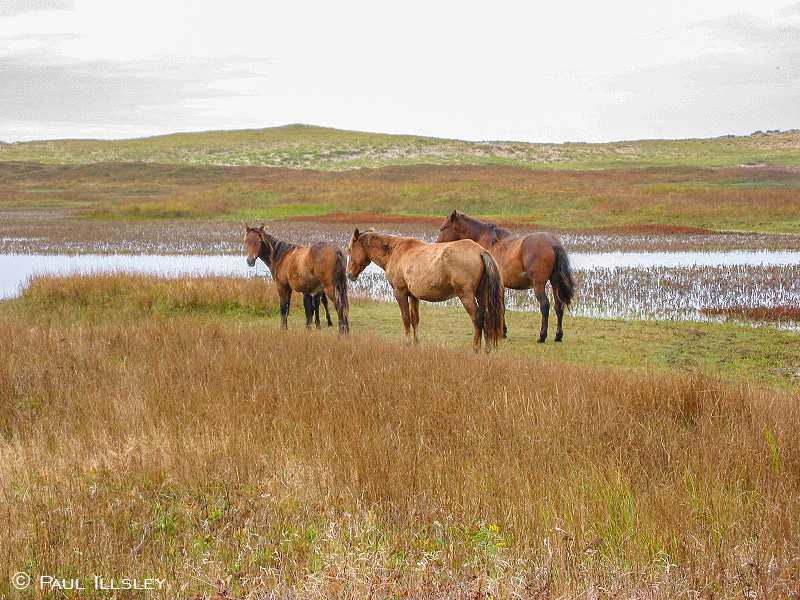
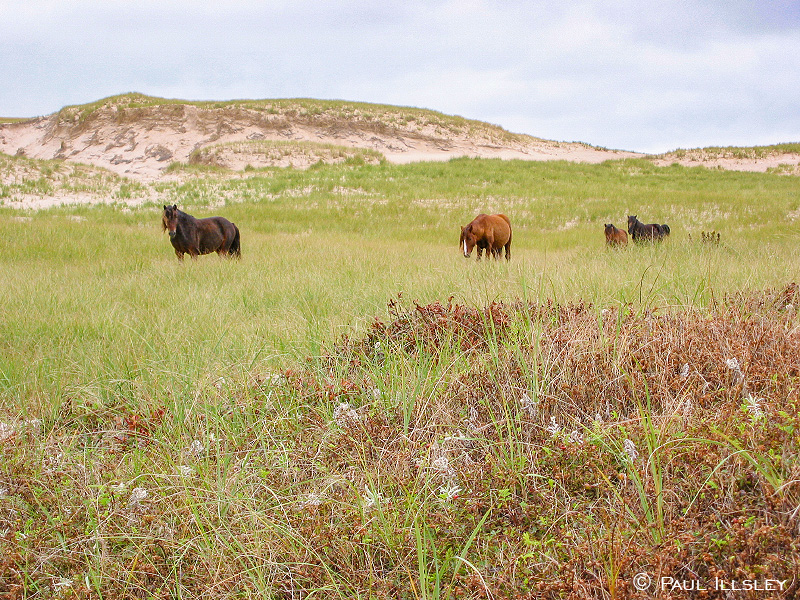
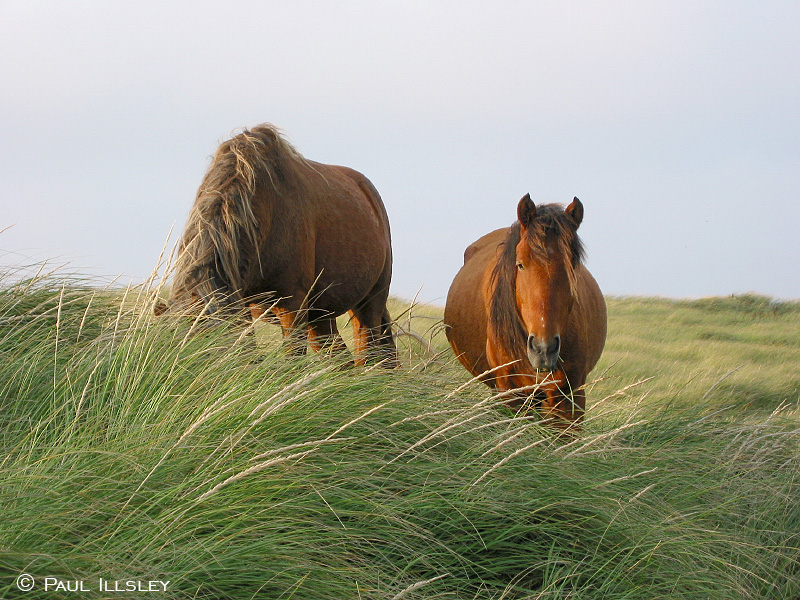
         A herd of horses graze in the leeward side of a grassy dune on the south central side of the island.

         The dunes of Sable Island are delicate and constantly changing. Marram grass, which is the predominate type of vegetation on the island, helps anchor the dunes with it’s complex networking root system.
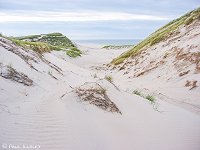
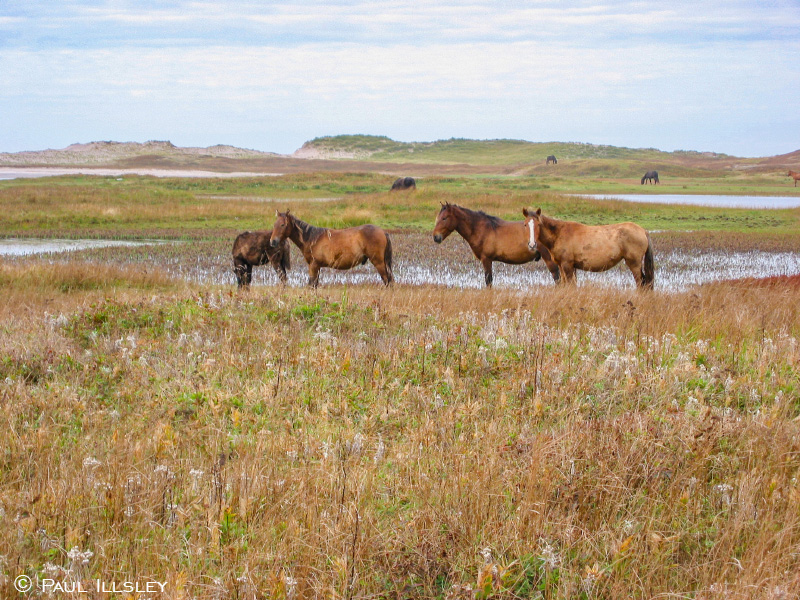
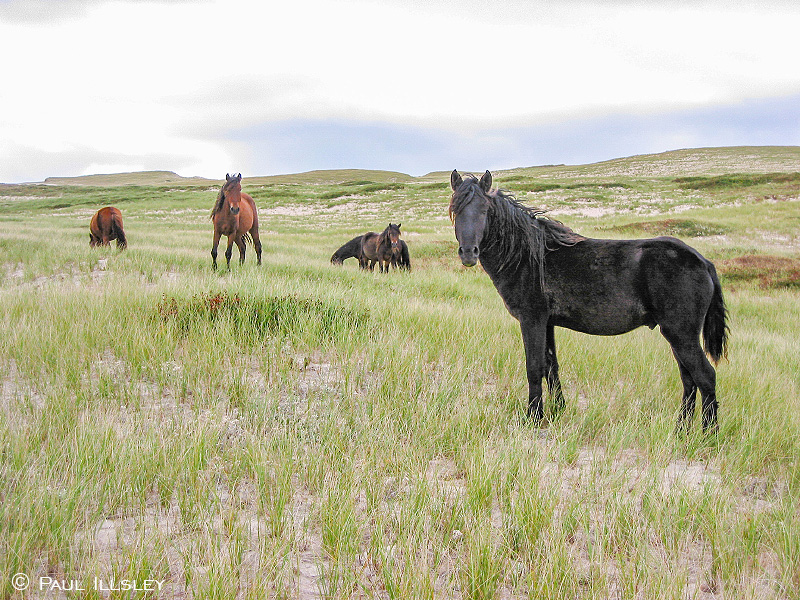
         Sable Island horses prefer to graze in small groups. They tend to wonder from location to location but prefer localized territories.
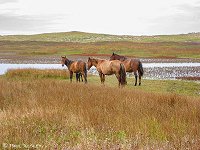
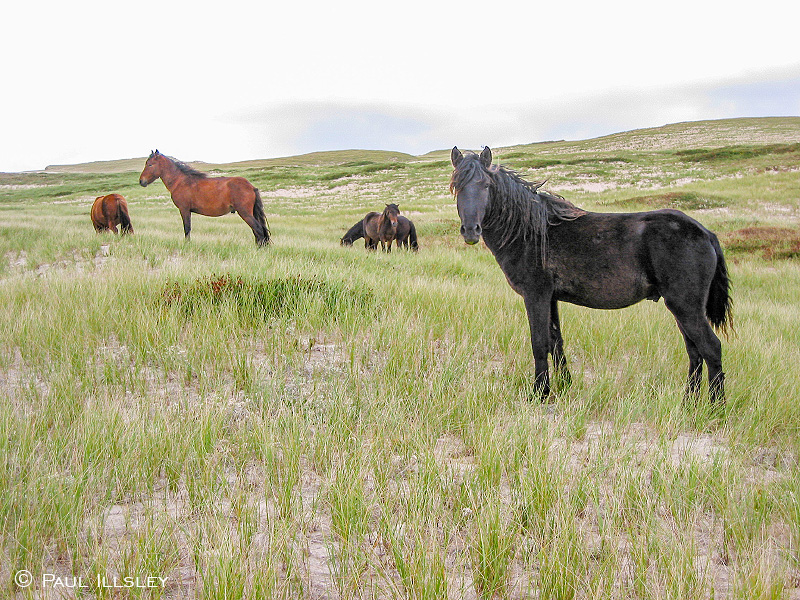
         It’s not hard to tell which of the horses is the dominant male in the herd. They will often be the first to make an approach and will often stay between you and the other members of the herd.

         Over the years the horses have created trails through the dunes. If you sit very still and low along these trails you might be treated to a “close encounter of the equestrian kind”.

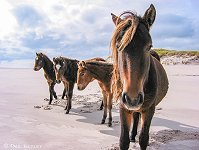
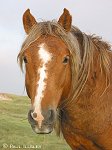
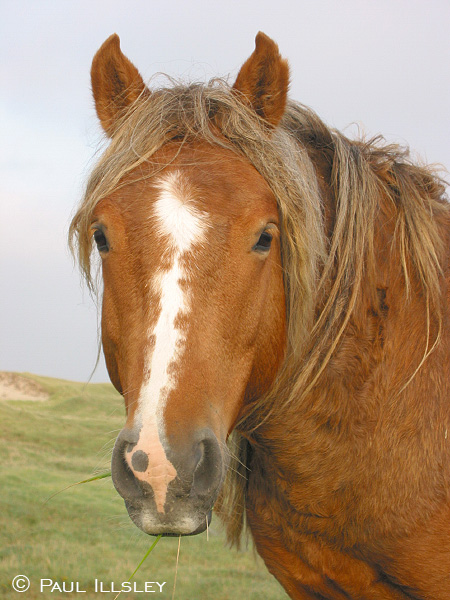
         It’s not uncommon to have a face to face encounter with one of the horses. It is always best to give the horses lots of free space and treat them with respect.

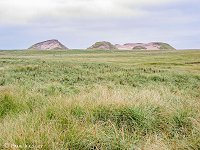
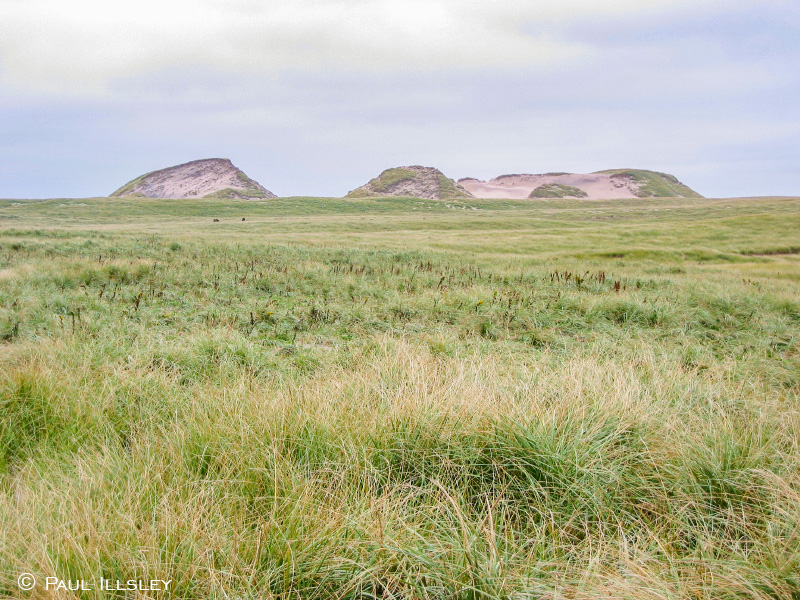
         A long view of one of the large dome shaped dunes in the island. This one is known as “Bald Dune” due to it’s smooth domed shape (top right of the image). .

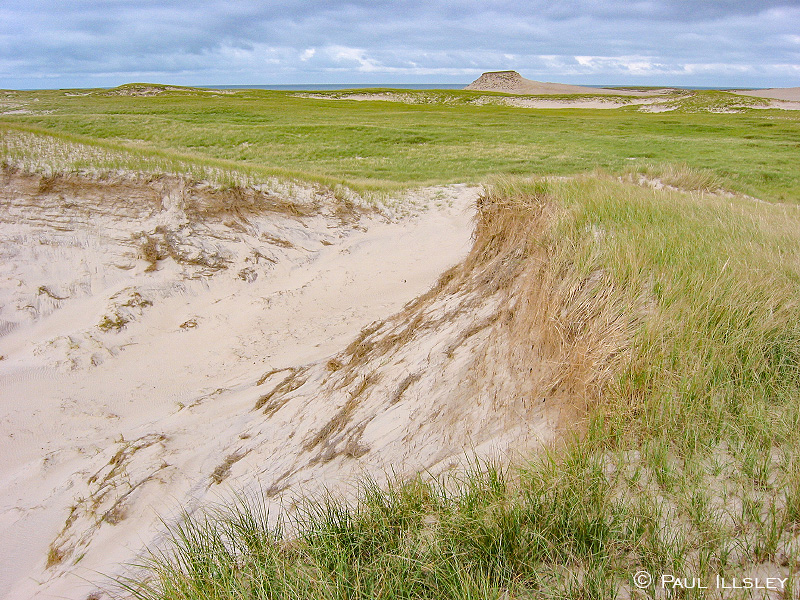
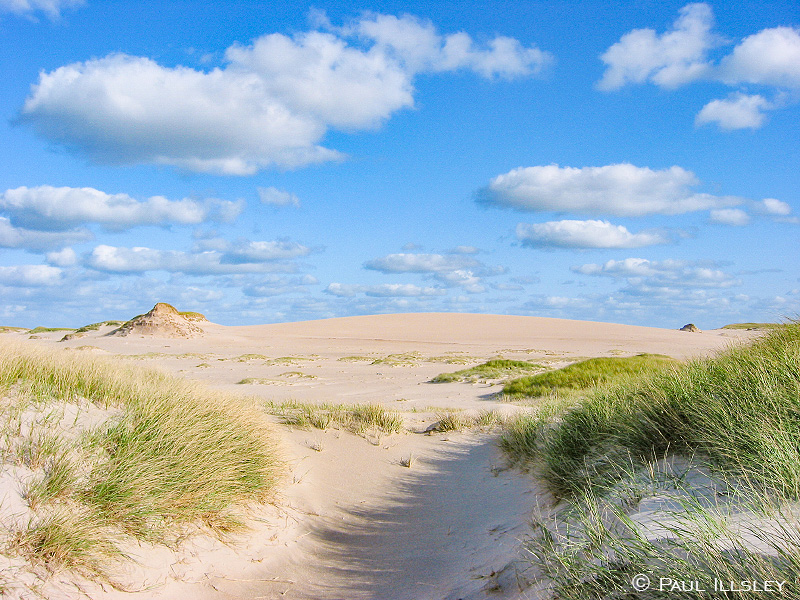
         The centre of the island is less than 2 kilometres wide and full of dune valleys and blowouts (areas where the sand is exposed in a dune).

         The horses seem to spend quite a bit of time on the beach. When fresh water isn’t accessible, the horses can dig a hole in the sand and drink the ground water that seeps into the hole. Due to the filtering properties of sand, the water that fills the hole is perfectly drinkable.

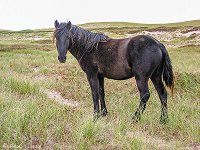
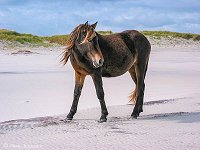
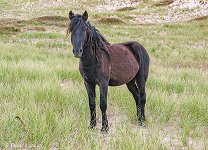
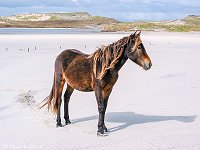
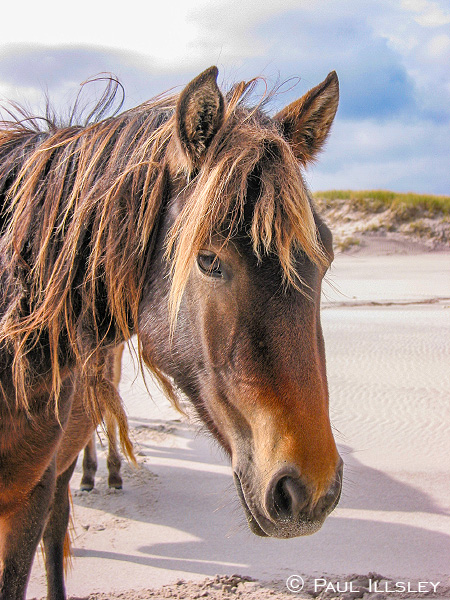
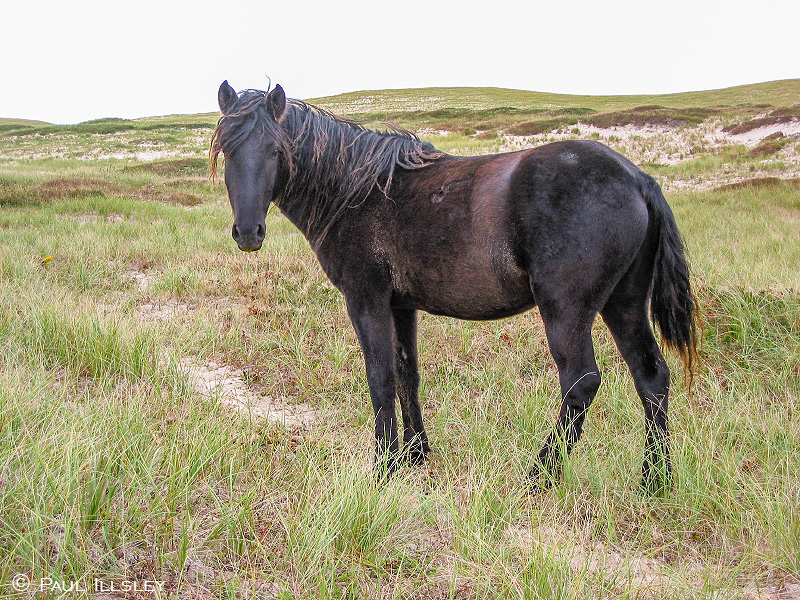
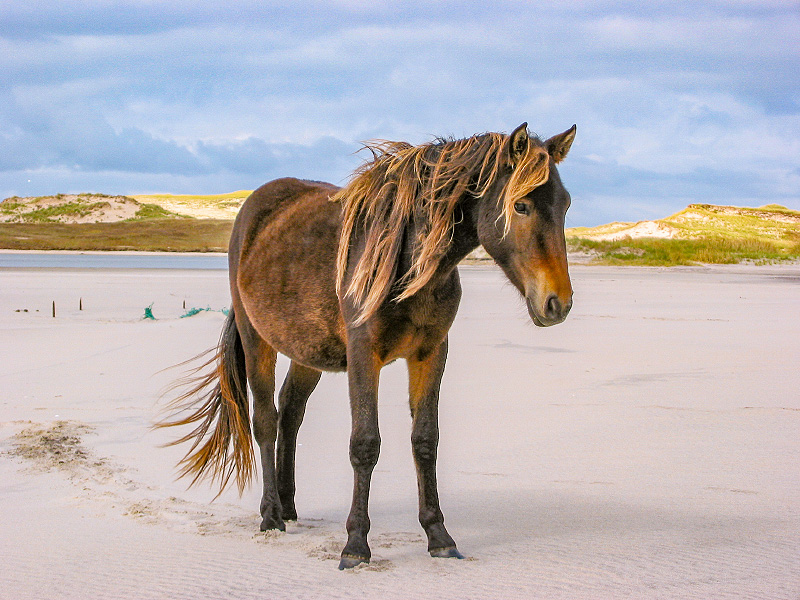
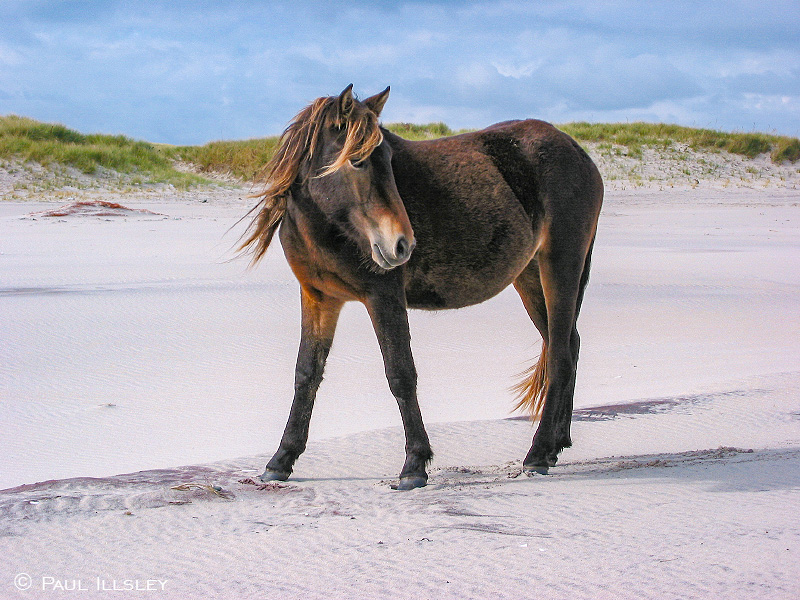
         The long flowing hair, typical for these houses, gives them a wild and refreshing natural mystique.

         If you just sit quietly and be patient, they will often come over to see what you’re up to.

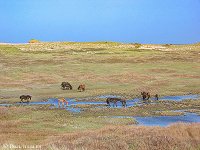
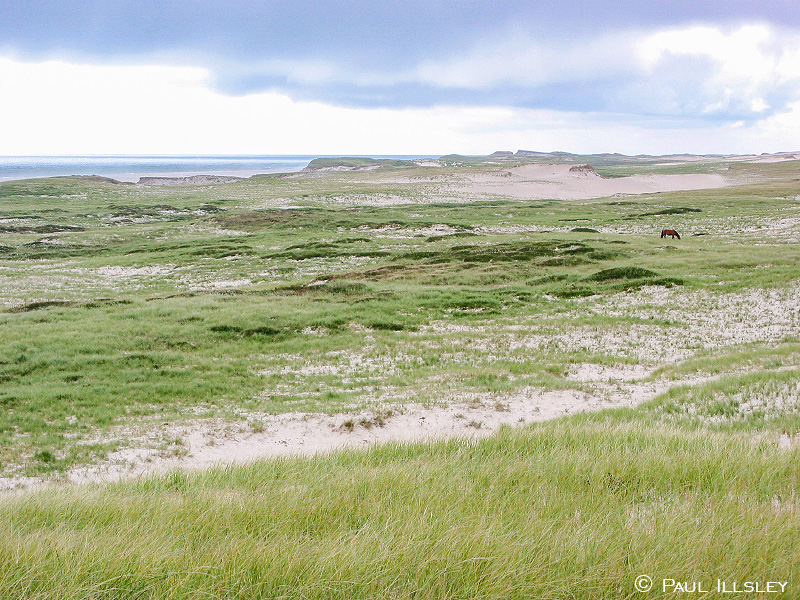
         One lone horse grazes near a fresh water pond while another herd spends time atop a neighboring dune.

         Two horses graze near the West Light. They are often more interested in eating than worrying about your presence.

         One of the horses with a mouth full of marrum grass. Because of the high sand content with every meal, the horses can run into problems with their teeth wearing down, which will eventually effects their ability to chew the grass.

         Sunrise over the eastern section of Sable Island with the sun reflecting off Wallace Lake.
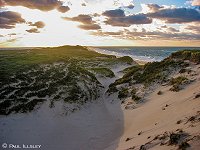
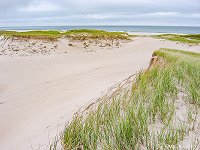
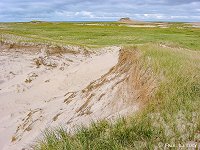
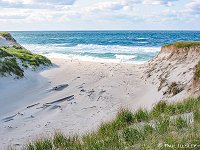
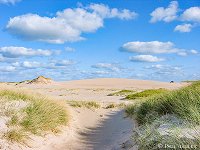
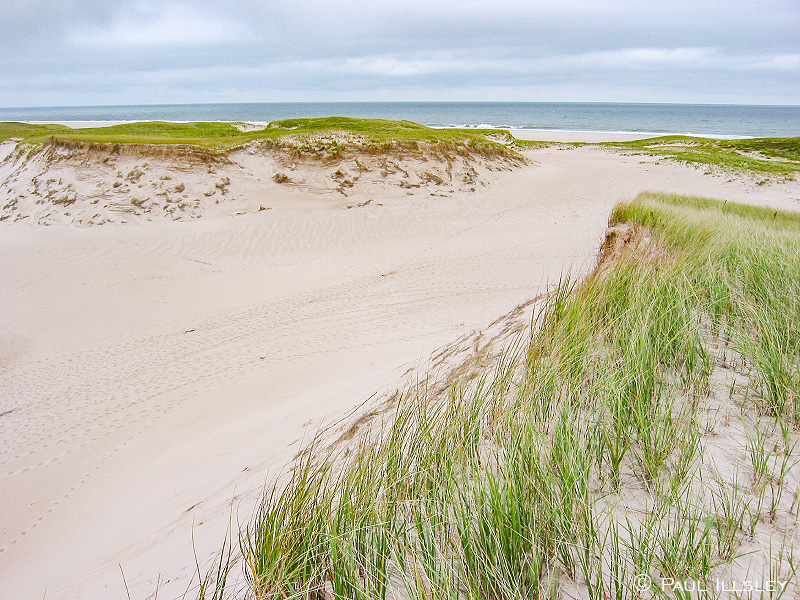
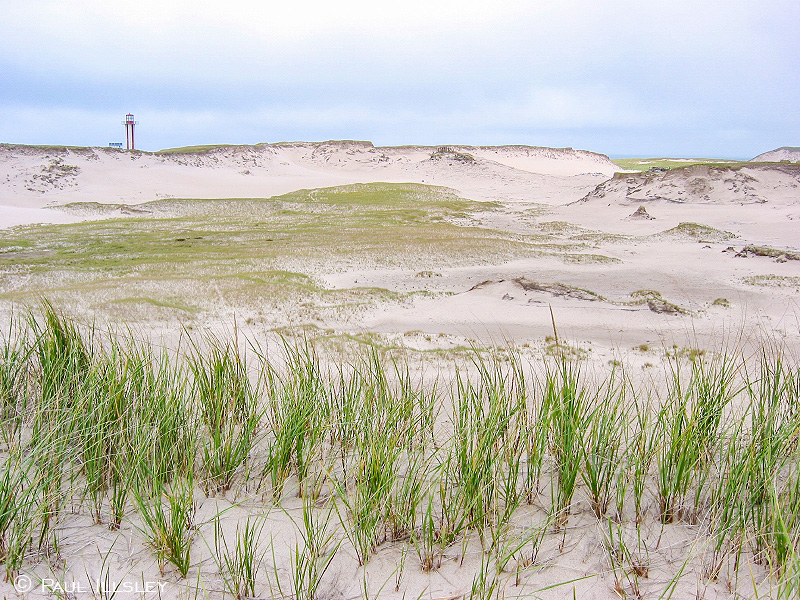
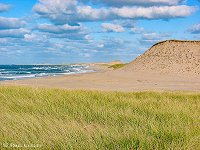
         An example of the low dunes commonly seen on the western end of the island.

         Seals congregating on the south beach. Because of the prevailing winds, the south beach tends to see more wave action compared to the relative shelter of the north beach.

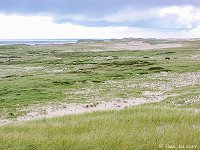
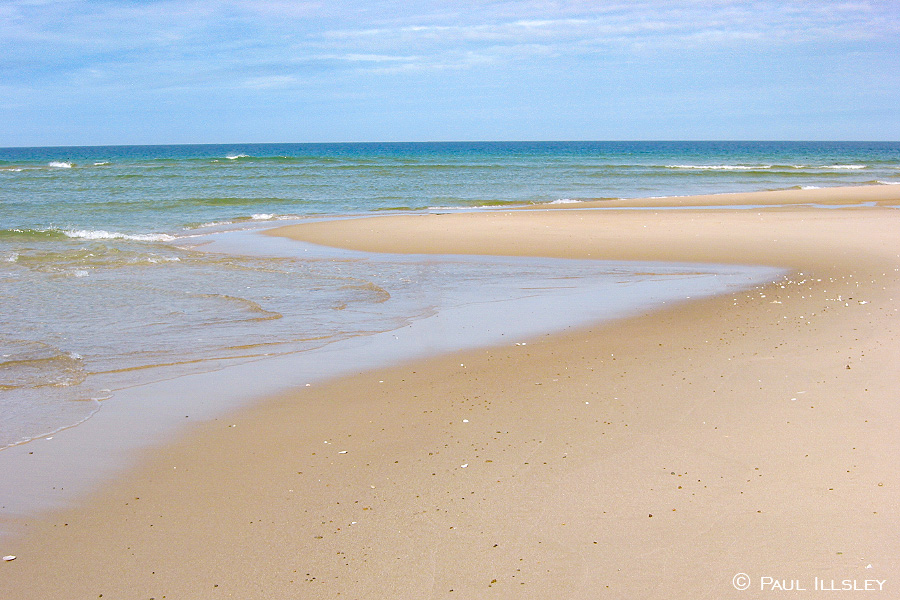
         A view looking south across the often flooded sand flats on the south side of the island (just east of Wallace Lake).

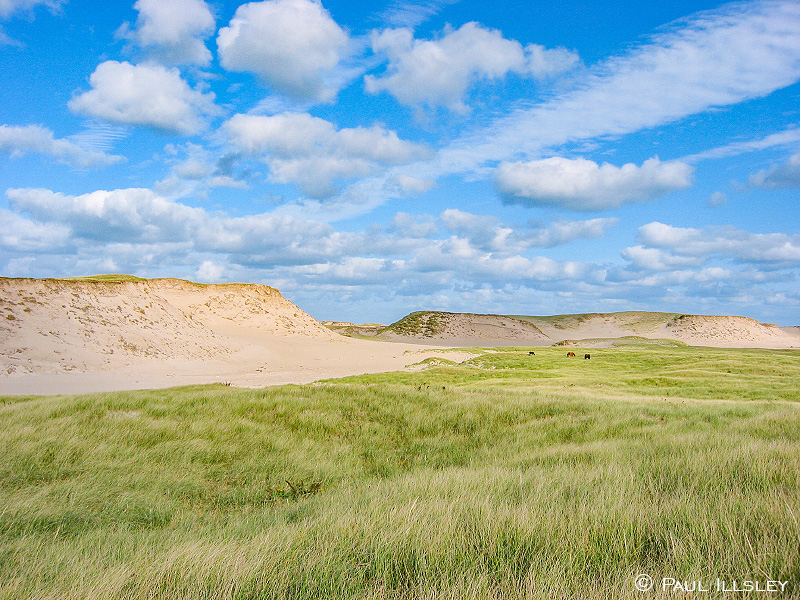
         View of the rolling grass covered dunes in the central portion of the island. Because of the abundance of marram grass, these dunes are some of the most stable on the island.

         A view of Bald Dune with a small pond in the foreground. This dune, due to it’s smooth clean shape, just cries out to be explored.

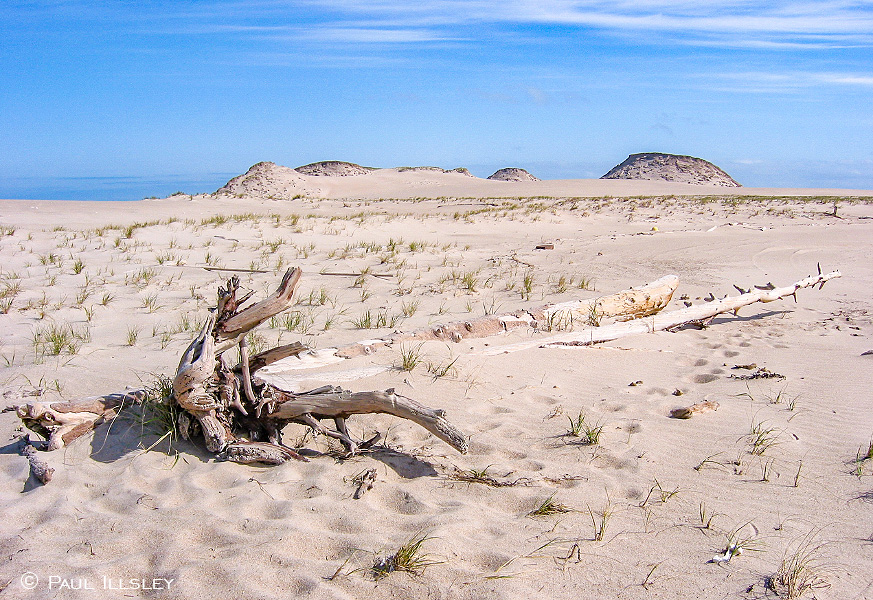
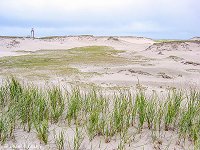
         A view looking east toward dune structures with relatively little marram grass cover. Due to it’s stabilizing mature, dunes with low marram grass cover have a greater chance of erosion due to the high wind from the north Atlantic.

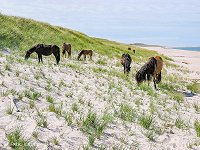
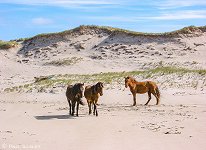
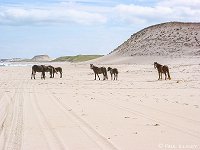
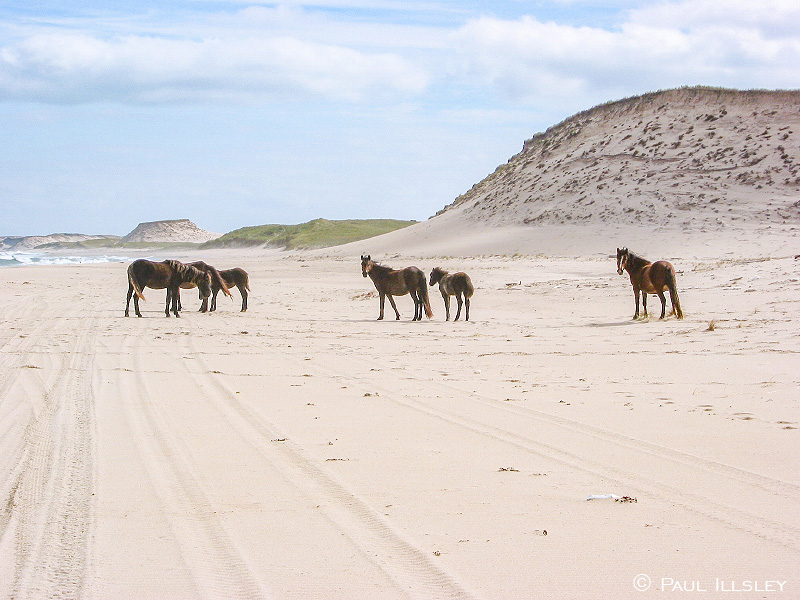
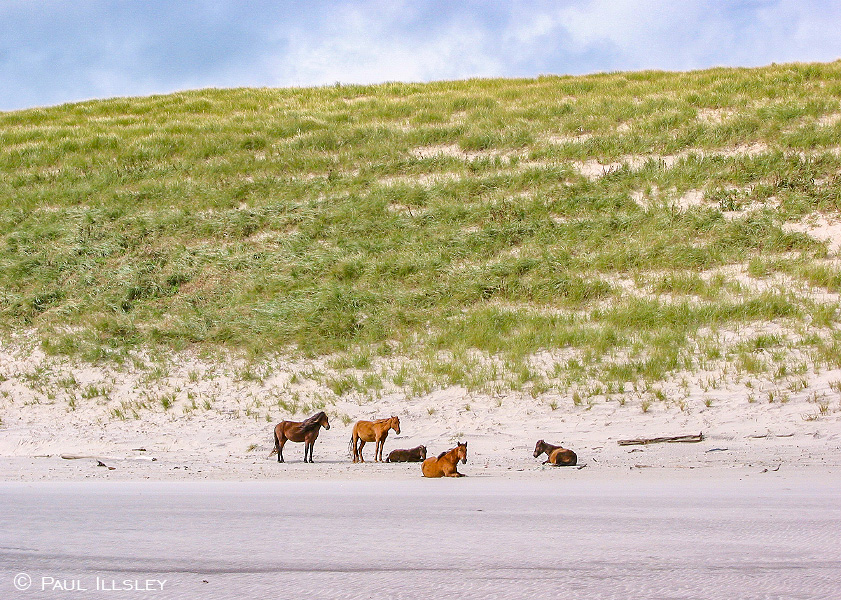
         A group of horses taking shelter in the leeward side of a dune from the steady south wind.

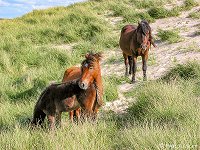
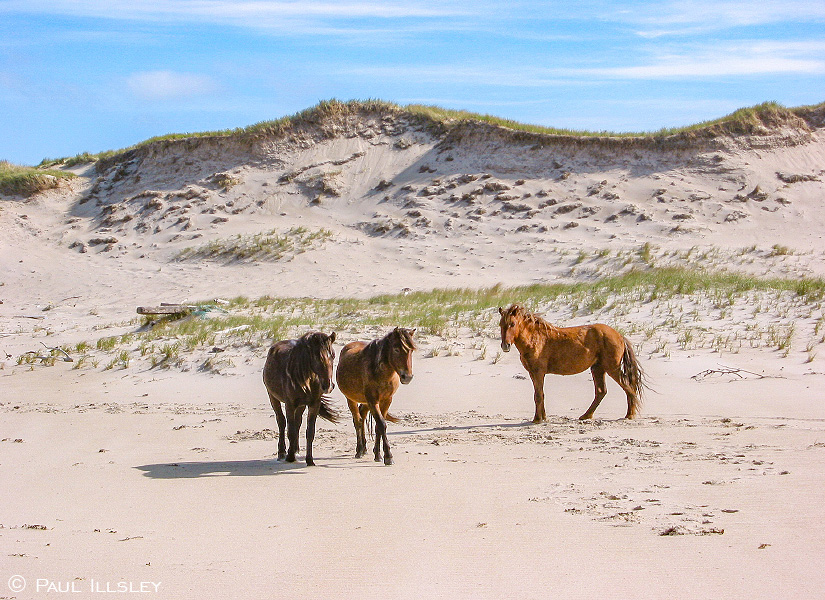
         Three curious Sable Island horses standing on the side of a wind swept dune.
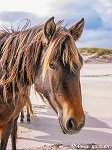
         A small herd of horses grazing amidst the large dunes in the central section of the island.

         A windblown field along the north beach shelters a sandy valley containing many sun bleached horse bones.

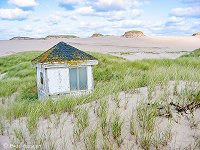
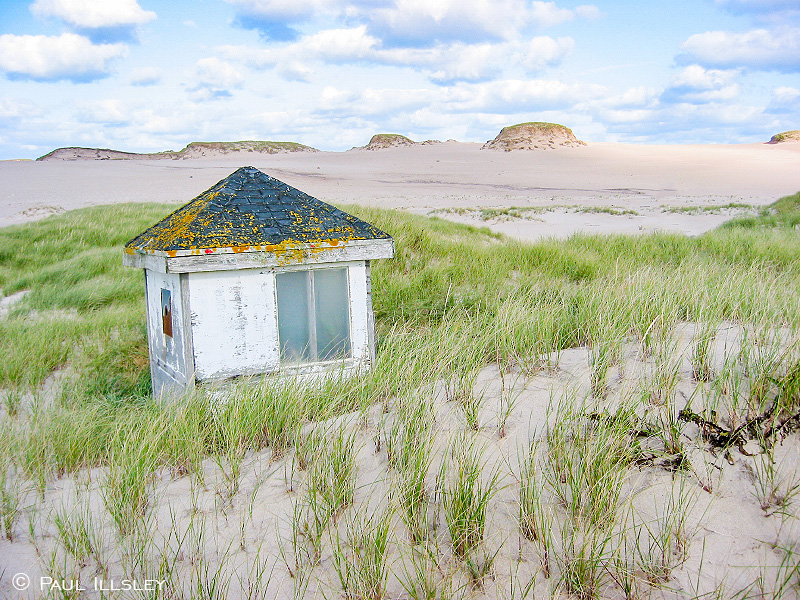
         A small abandoned bird watchers hut stands sentinel to the shifting sands near the north beach area.

         There are sections of the central dune area with very little vegetation. The wind howls across these open sand dunes and strikes your open flesh like thousands of flying needles.

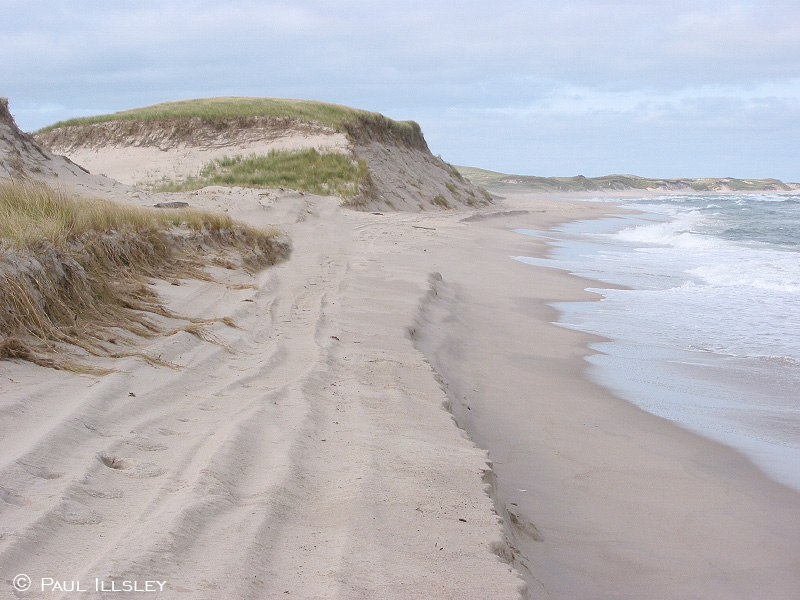
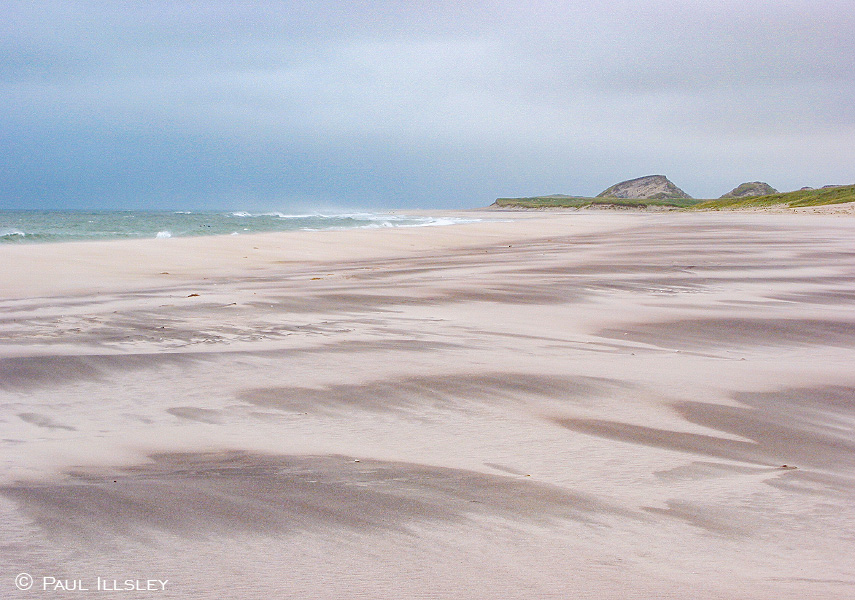
         A view looking eastward along the north beach. The east light can just be seen in the far distance.

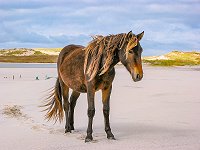
         A majestic Sable Island horse faces the warm light of evening.
         Some of the many open dunes near the central section of the island during the last light of day.
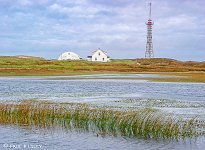
         The West Light with it’s support buildings and grazing horses in the foreground.

         An inquisitive horse near the fresh water ponds just west of base camp.

         A view looking eastward toward base camp.

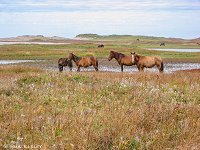
         Two horses grazing just west of base camp.

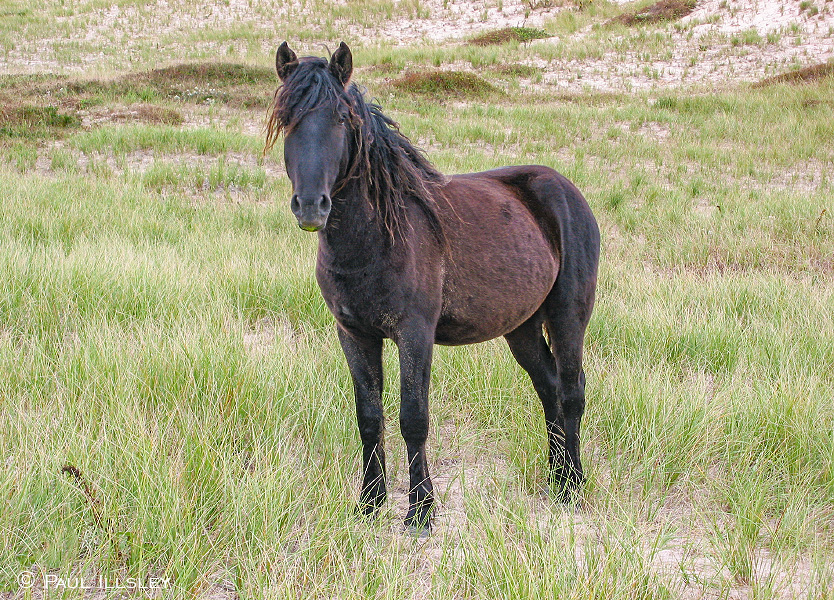
         A lone horse who accepted my presence without a fuss. He was perfectly content to have me sit with him in the early evening light.

         A tiny caterpillar crawls across the open sand. These cute little creatures are all over the place out here.

         A pyramid shaped dune on the south beach offers a nice backdrop for a herd of resting horses.

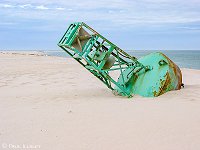
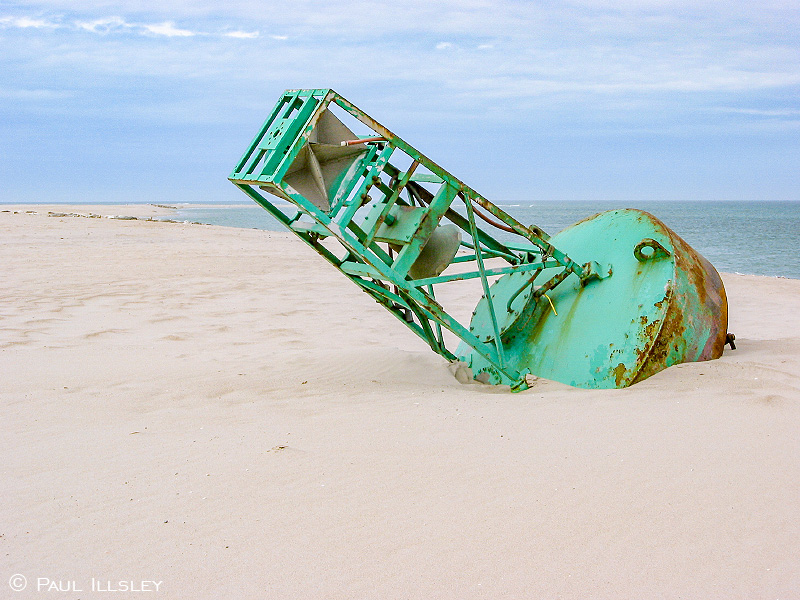
         You can find almost anything on the beaches out here. Everything from coconuts to unexploded munitions wash up on Sable Island’s beaches.

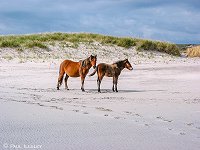
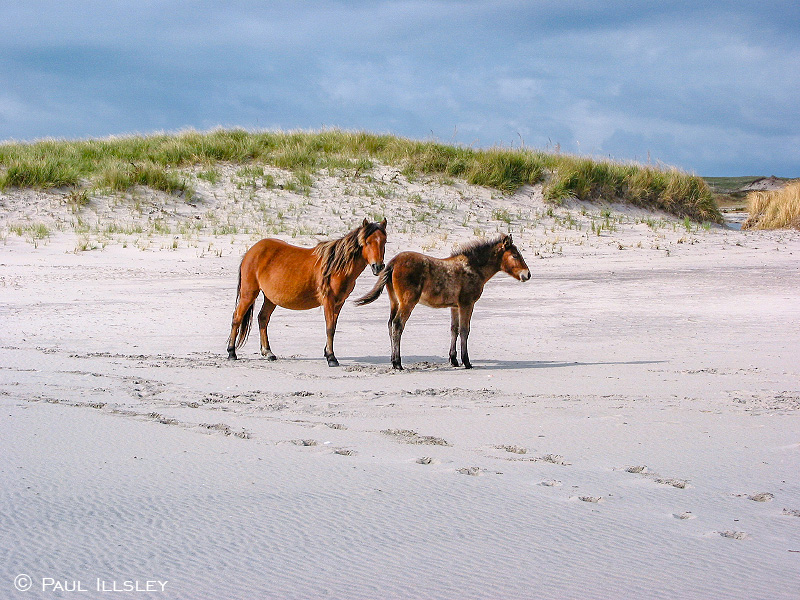
         A mother and her foal take a stroll near the base camp compound area.

         Except for the occasional helicopter and a yearly supply ship, this is the only transportation on and off the island. If you miss this one, there might not be another flight for weeks.

         View looking northward toward base camp just after takeoff.

         A view looking toward the west end of the island with the West Light complex visible near the fresh water pounds.
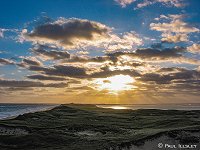
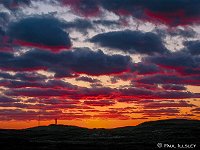
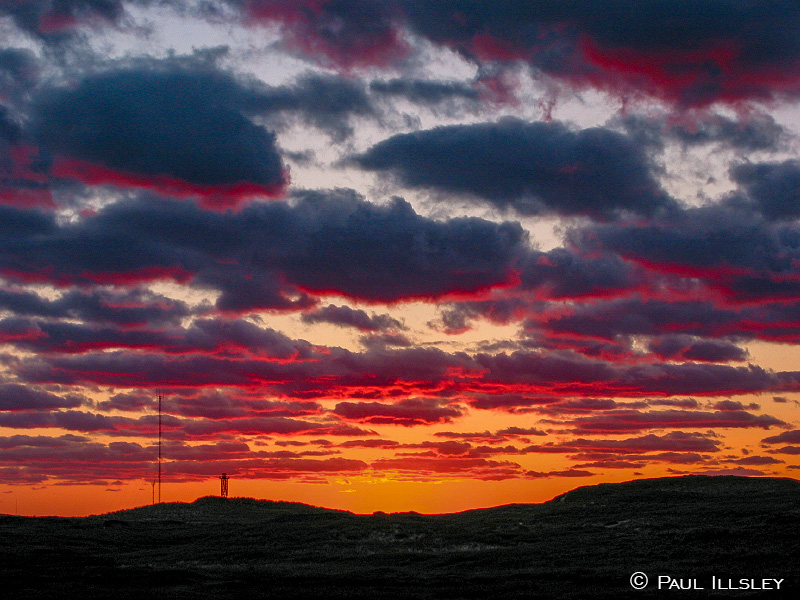
         A stunning sunset with the West Light in the foreground.